

You’re scrolling through social media, a gaming chat, or a forum and see ‘uwu’. You’re not sure if it’s a typo, an acronym, or something else entirely. This article will provide a clear, comprehensive answer to what does uwu mean?.
I’ll cover not just the definition, but also its origins, how to use it correctly, and its place in internet culture. I’ve been around the internet long enough to know these things can be confusing.
By the end, you’ll understand and even use the term like a seasoned internet user. Trust me, I get it, and online slang can be a minefield.
But we’ll get through it together.
The Simple Definition: What ‘uwu’ Represents
‘uwu’ is a text-based emoticon used to convey a feeling of happiness, warmth, cuteness, or affection.
The two ‘u’s represent cute, closed eyes, and the ‘w’ represents a small, cat-like mouth or smile.
It’s not just happy; it’s a soft, often innocent, or overwhelmingly adorable kind of happiness.
Think of the face someone might make when seeing a puppy or receiving a heartfelt compliment.
In contrast, a standard smiley face like ‘:)’ is more general. ‘uwu’ has a specific nuance and intensity.
It can also be used to express a sense of smug contentment or playful satisfaction in certain contexts.
I remember when I first saw ‘uwu’ online. I thought it was just another weird internet thing. (Boy, was I wrong.)
I used it in a conversation with a friend, and they thought I was being sarcastic. That was a mistake.
I learned that context matters. Using ‘uwu’ in a serious or professional setting can confuse people.
Now, I use it more carefully. It’s a great way to add a touch of cuteness and warmth to casual conversations.
So, wat betekend uwu? It’s a versatile emoticon that adds a layer of emotional depth to your text.
The Origin Story: From Anime Fanfiction to Mainstream Memes
Let’s dive into the history of ‘uwu’. It all started in Japanese anime and manga, where similar facial expressions are a common artistic trope to show cuteness or joy.
Fast forward to the early 2000s, and you’ll find it popping up in online chatrooms and fanfiction communities.
One of the earliest known documented uses was in the 2005 Yu-Gi-Oh fanfiction “Genie of the Puzzle.” This is a key point in its history.
From there, the emoticon spread to wider platforms like DeviantArt and Tumblr throughout the late 2000s and early 2010s.
Gaming culture, especially in VRChat and Overwatch, and streaming platforms like Twitch, helped it explode into more mainstream consciousness.
Now, wat betekend uwu? It’s often used to express cuteness, but it has also evolved into a term that can be used ironically or as part of meme culture.
So, whether you’re using it sincerely or for a laugh, ‘uwu’ has become a versatile part of our digital language.
How and When to Use ‘uwu’ (With Examples)
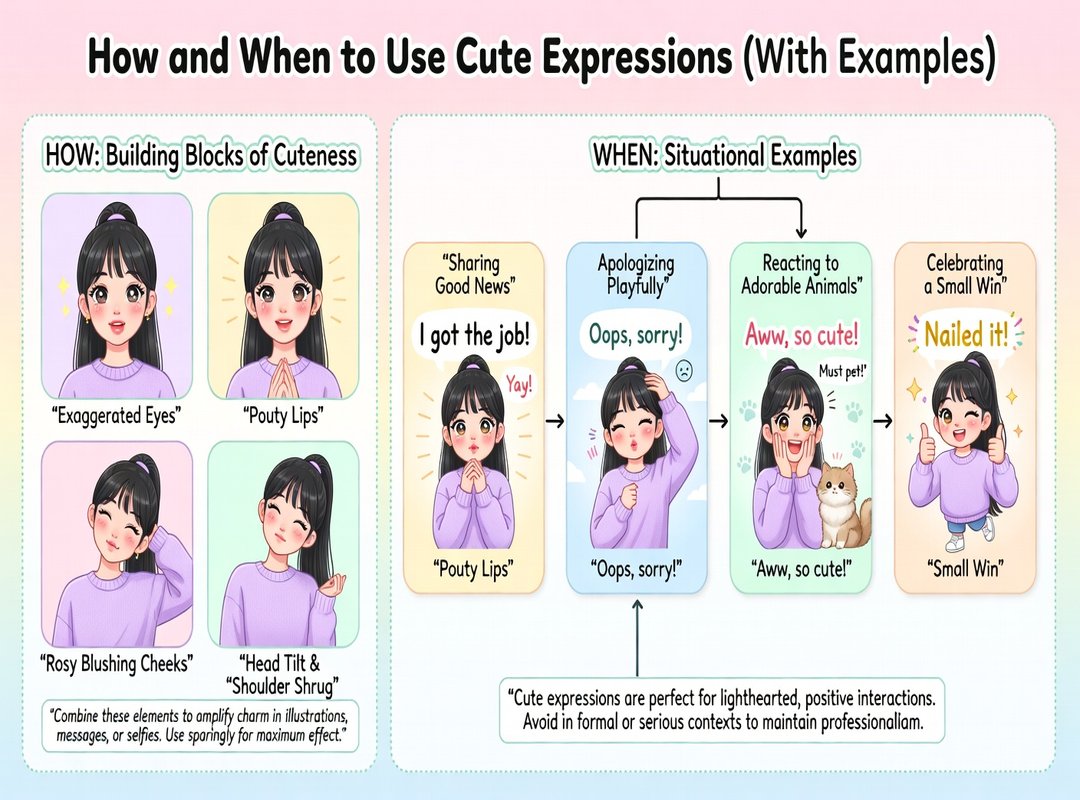
You might have seen “uwu” popping up in your social media feeds or text messages. But what does it mean, and when should you use it? Let’s break it down.
First, “uwu” is an emoticon that typically expresses happiness, cuteness, or affection. It’s a playful way to add emotion to your words.
Example 1 (Expressing happiness): ‘I just got tickets to the concert! uwu’
Example 2 (Reacting to something cute): ‘Look at that tiny kitten, my heart is melting uwu.’
Example 3 (Responding to kindness): ‘Aww, you didn’t have to do that for me, thank you so much uwu.’
These examples show how “uwu” can be used to convey different emotions in casual conversations.
Now, let’s talk about where it’s appropriate to use “uwu.” It fits well in casual online conversations, social media posts, Discord servers, and text messages with friends. These are places where informal and fun communication is the norm.
However, there are also settings where using “uwu” would be a big no-no. For instance, you wouldn’t want to use it in professional emails, academic papers, or any formal communication. It’s too informal and could come off as unprofessional.
So, when deciding whether to use “uwu,” think about the context. Is it a casual, friendly conversation, and go for it.
Is it a formal or professional setting, and save it for another time.
Understanding the right and wrong places to use “uwu” can help you communicate more effectively. If you’re looking for more tips on communication and wellness, check out Zydaisis.
In summary, “uwu” is a fun and expressive emoticon, but it’s important to use it in the right context. wat betekend uwu in Dutch translates to “what does uwu mean,” which we’ve covered here.
The ‘uwu’ Family: Understanding ‘owo’, ‘:3’, and Other Variations
Let’s talk about ‘owo’ , and it’s like a close cousin to ‘uwu’. The main difference?
Those ‘o’s are like wide-open eyes, showing surprise, curiosity, or interest.
Ever seen the meme phrase “owo, what’s this?” That’s a classic example.
Now, let’s not forget about other emoticons in the family. ‘:3’ is like a cat face or a sly smirk. And ‘^-^’?
Think of it as a classic happy face with a little extra joy.
These emoticons, including wat betekend uwu, are like a toolkit for expressing emotions. They give you more ways to show how you feel than regular emojis.
You Now Speak Fluent ‘uwu’
uwu is an emoticon that represents a cute, happy face. It originated from anime culture and has become a staple in online communication. Understanding what uwu means can help you better connect with and understand online communities.
The playful and ever-changing nature of digital language makes it fun to explore and use.
 Sharon Salinaselino has opinions about zydaisis fitness fundamentals. Informed ones, backed by real experience — but opinions nonetheless, and they doesn't try to disguise them as neutral observation. They thinks a lot of what gets written about Zydaisis Fitness Fundamentals, Pro Breakdowns, Momentum Moments is either too cautious to be useful or too confident to be credible, and they's work tends to sit deliberately in the space between those two failure modes.
Reading Sharon's pieces, you get the sense of someone who has thought about this stuff seriously and arrived at actual conclusions — not just collected a range of perspectives and declined to pick one. That can be uncomfortable when they lands on something you disagree with. It's also why the writing is worth engaging with. Sharon isn't interested in telling people what they want to hear. They is interested in telling them what they actually thinks, with enough reasoning behind it that you can push back if you want to. That kind of intellectual honesty is rarer than it should be.
What Sharon is best at is the moment when a familiar topic reveals something unexpected — when the conventional wisdom turns out to be slightly off, or when a small shift in framing changes everything. They finds those moments consistently, which is why they's work tends to generate real discussion rather than just passive agreement.
Sharon Salinaselino has opinions about zydaisis fitness fundamentals. Informed ones, backed by real experience — but opinions nonetheless, and they doesn't try to disguise them as neutral observation. They thinks a lot of what gets written about Zydaisis Fitness Fundamentals, Pro Breakdowns, Momentum Moments is either too cautious to be useful or too confident to be credible, and they's work tends to sit deliberately in the space between those two failure modes.
Reading Sharon's pieces, you get the sense of someone who has thought about this stuff seriously and arrived at actual conclusions — not just collected a range of perspectives and declined to pick one. That can be uncomfortable when they lands on something you disagree with. It's also why the writing is worth engaging with. Sharon isn't interested in telling people what they want to hear. They is interested in telling them what they actually thinks, with enough reasoning behind it that you can push back if you want to. That kind of intellectual honesty is rarer than it should be.
What Sharon is best at is the moment when a familiar topic reveals something unexpected — when the conventional wisdom turns out to be slightly off, or when a small shift in framing changes everything. They finds those moments consistently, which is why they's work tends to generate real discussion rather than just passive agreement.