You’re pushing through a workout when suddenly you hit a wall. Your energy crashes, your focus slips, and the strength you had minutes ago seems to vanish. The hidden culprit for many people isn’t poor programming or lack of grit—it’s dehydration. Even a small fluid deficit can quietly sabotage both physical output and mental clarity. Through years of hands-on work in metabolic conditioning and daily health optimization, one truth stands out: mastering hydration for performance is foundational, not optional. This guide delivers a clear, science-backed blueprint to help you dial in fluids and electrolytes for greater energy, endurance, and focus.
Why Water is Your Ultimate Performance Fuel
Water isn’t just a thirst-quencher. It’s your body’s physiological engine. Every rep, sprint, and deep focus session depends on it.
The Physiological Engine
At a cellular level, water regulates core temperature through sweat (your built-in cooling system), transports glucose and electrolytes to working muscles, and lubricates joints to reduce friction. Think of synovial fluid as oil in a high-performance engine—without enough, things grind.
This is why hydration for performance isn’t a wellness cliché. It’s biomechanics. Proper fluid balance supports blood volume, which maintains oxygen delivery and power output during intense efforts (American College of Sports Medicine, 2016).
The Performance Drop-Off
A mere 2% loss in body weight from fluid can significantly impair endurance and cognitive function (Journal of Athletic Training, 2013). For a 180-pound athlete, that’s just 3.6 pounds of water. Studies show dehydration can reduce sprint performance by up to 10% and decrease strength endurance (Casa et al., 2010). That “off” workout? It might not be your programming.
Beyond Thirst: The Silent Signs
Before you feel thirsty, performance may already dip. Watch for:
- Premature fatigue
- Increased perceived exertion
- Headache
- Dark-colored urine
(Pro tip: Check urine color post-training—it’s fast feedback.)
For even better results, pair smart hydration with strategic fueling—learn exactly how in how to optimize your nutrition timing throughout the day.
Your Personalized Hydration Blueprint
Baseline Daily Intake: Start with a simple rule: drink roughly half your body weight in ounces of water per day. If you weigh 180 pounds, aim for about 90. It is a starting point, not a finish line. I once ignored this and relied on coffee alone, then wondered why my afternoon lifts felt like moving through wet cement.
However, numbers shift with life. Adjusting for Activity: For every 30–60 minutes of moderate training, add 12–16 ounces. In high heat or humidity, bump that higher; at altitude, your breathing rate increases fluid loss. I learned this the hard way during a summer hill session when dizziness forced me to cut it short (lesson: sweat is not a badge of honor).
Next, The Pro’s Timing Strategy: Pre-Workout: Drink 16–20 ounces about two to three hours before training, then a small top-off 10–15 minutes prior. During Workout: Sip 7–10 ounces every 15–20 minutes to support hydration for performance. Post-Workout: Weigh yourself before and after; for every pound lost, drink 20–24 ounces.
Finally, treat this as a blueprint, not dogma. Track how you feel, monitor urine color, and adjust. When I started logging intake, cramps disappeared and recovery improved. Small corrections compound. Stay consistent, stay curious, and let data guide you.
Over time, you will notice patterns in energy, mood, and endurance, and those patterns make it easier to plan sessions and demanding days without guessing or gambling on willpower alone. Plan ahead and carry water everywhere you go.
Electrolytes: The Spark Plugs for Your Muscles
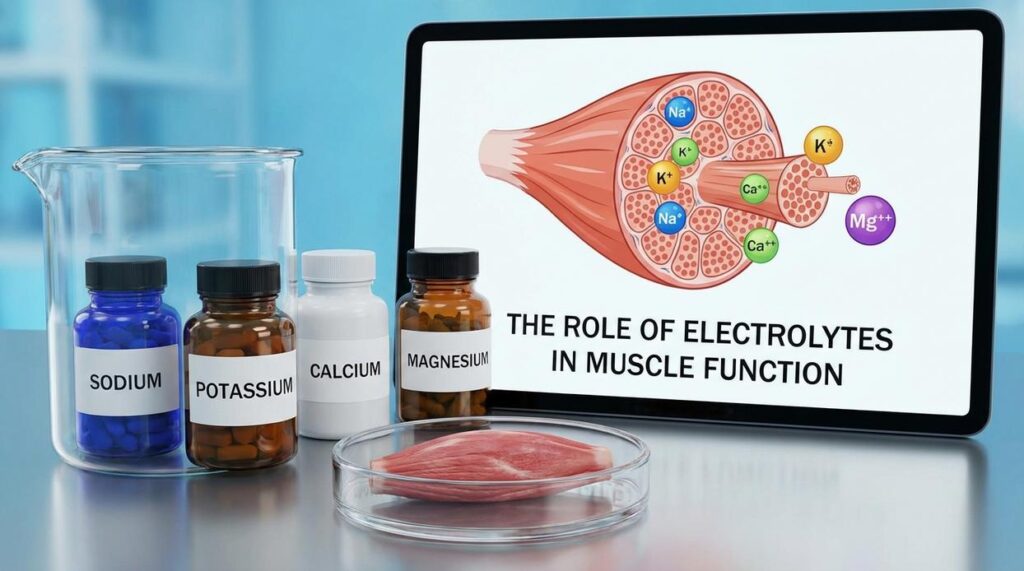
Electrolytes are electrically charged minerals—primarily sodium, potassium, and magnesium—that help your body transmit signals. Think of them as the spark plugs for your muscles. Without them, nerves can’t fire properly, muscles can’t contract efficiently, and fluid balance goes haywire. Sodium helps regulate fluid levels, potassium supports muscle contractions (including your heartbeat), and magnesium assists with relaxation and recovery. When these minerals fall out of balance, cramps, fatigue, and brain fog often follow.
So when isn’t plain water enough? If you’re training hard for more than 60–90 minutes, sweating heavily, or exercising in extreme heat, you’re losing electrolytes—not just water. Replacing fluids without minerals can dilute sodium levels, leaving you feeling worse. This is where hydration for performance becomes critical.
Practical options include:
- Bananas and avocados for potassium
- A pinch of sea salt in water for sodium
- Leafy greens and nuts for magnesium
For long endurance sessions, a well-formulated sports drink can help replenish what you’ve lost. Pro tip: check labels—avoid excessive added sugars unless you truly need rapid fuel. The goal isn’t hype; it’s balance that keeps your body firing on all cylinders.
Common Hydration Myths Holding You Back
Myth 1: The 8×8 Rule
Back in the 1940s, a U.S. nutrition guideline suggested about 2.5 liters of fluid daily, and over time it morphed into “eight 8-ounce glasses.” That one-size-fits-all advice ignores body size, climate, activity, and diet. A marathoner in July needs more than someone binge-watching Netflix in January. Hydration for performance demands personalization, not math tricks. Pro tip: check urine color—pale straw signals balance.
Myth 2: Coffee and Tea Dehydrate
Since at least 2014, research has shown caffeine’s mild diuretic effect doesn’t cancel out fluid intake in regular drinkers. The net effect is HYDRATING. So your morning coffee counts (yes, even the fancy oat latte).
Myth 3: Sports Drinks Beat Water
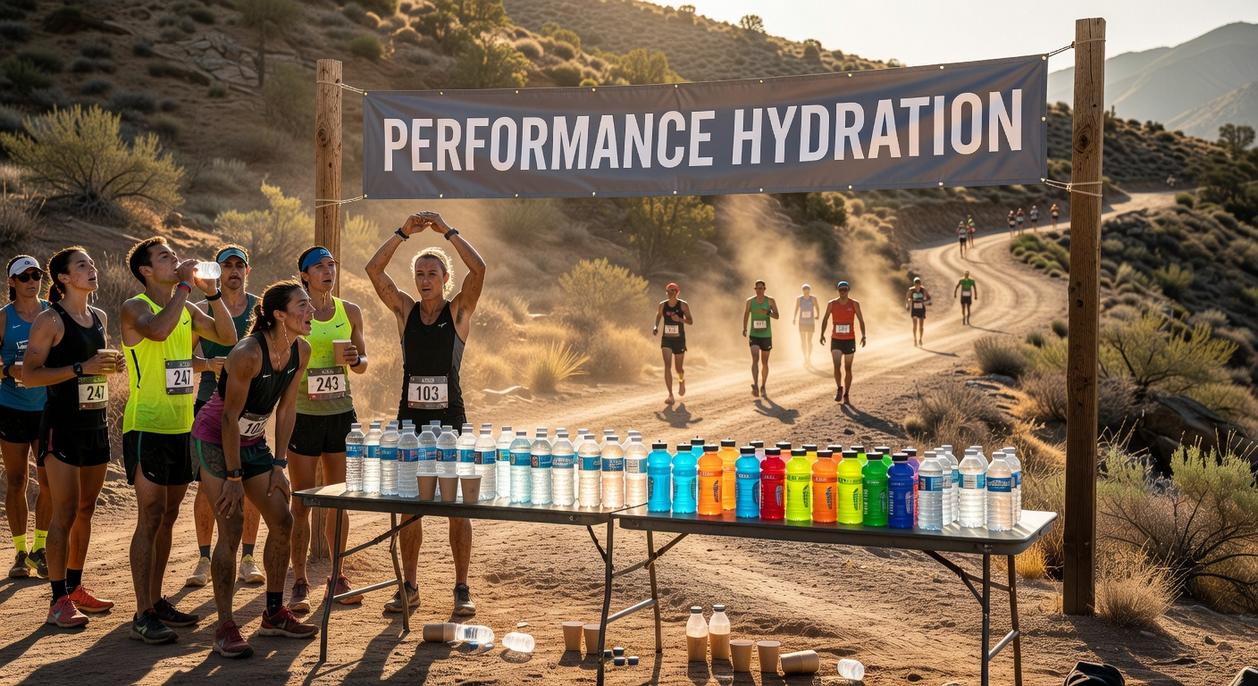
After decades of marketing, many assume neon-colored bottles are superior. But most pack high sugar, designed for prolonged, intense sessions—not casual desk days.
- Use them strategically, like during 90-minute workouts.
Unlock Your Potential, One Sip at a Time
You came here to understand why your performance feels inconsistent—and now you know the answer may be simpler than you thought. hydration for performance isn’t a trend; it’s a controllable advantage. No more guessing why your energy crashes mid-session or why your focus fades before you’re finished.
When you personalize your fluid and electrolyte strategy, you take back control of your endurance, strength, and mental clarity.
Don’t let preventable dehydration cap your potential. Start calculating your baseline needs today, track your intake for one week, and experience the measurable difference in your daily performance. Your body is ready—fuel it properly and perform at your peak.