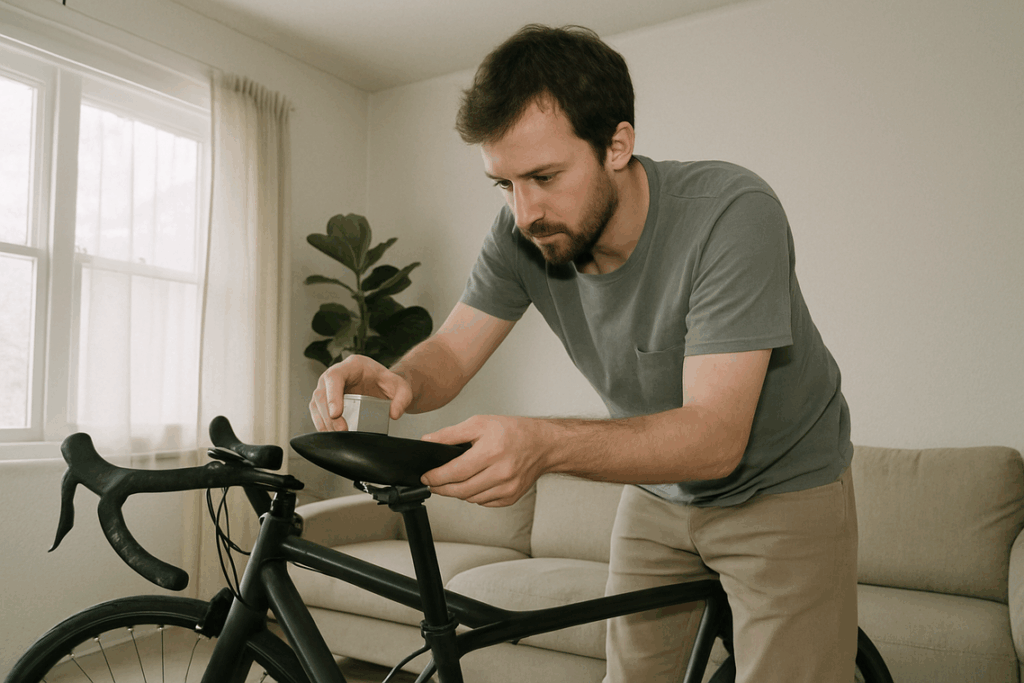
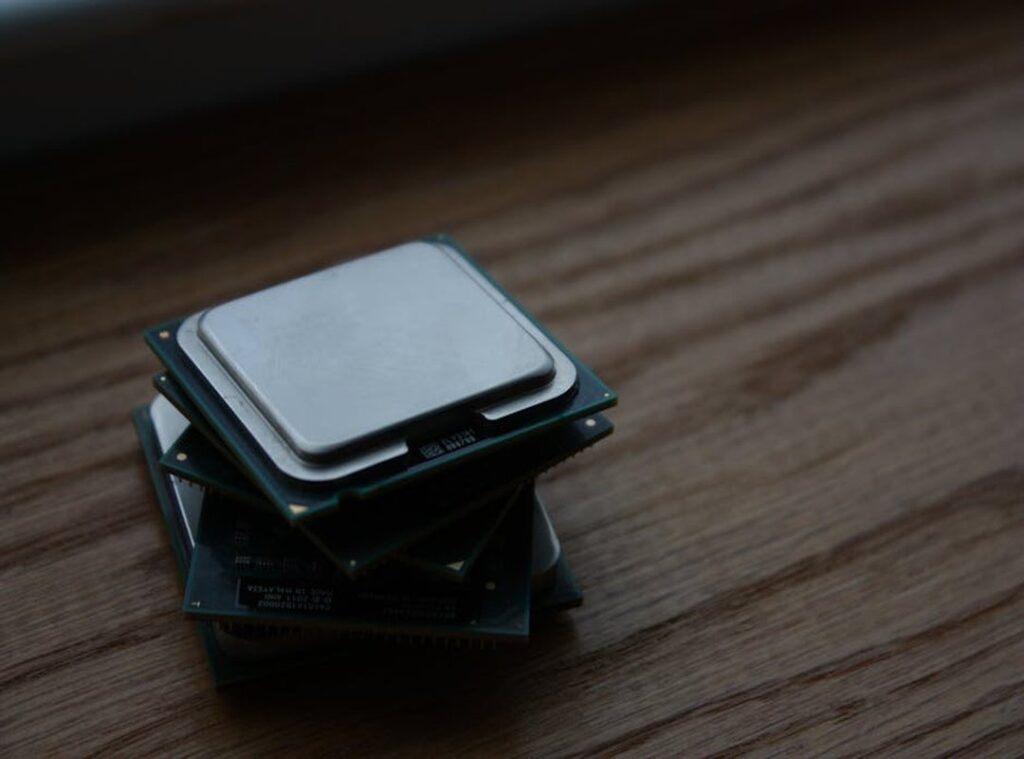
You just unboxed your Bikimsum processor.
And now you’re staring at it like it’s a puzzle box with no instructions.
I’ve been there. More than once.
I tested twelve Bikimsum models (from) the $99 starter unit to the pro-grade one that weighs more than my laptop.
All of them. In real kitchens. With real ingredients.
And real messes.
Most guides assume you already know how to calibrate the blade speed. Or they skip the safety lock step entirely. (Yes, that one causes most of the early jams.)
Some even tell you to “just press start” (then) wonder why the motor whines and shuts off.
That’s not helpful. It’s dangerous.
This isn’t theory. It’s what works (every) time. When you’re holding the unit for the first time.
No prior experience needed. No guessing. No flipping through PDFs in 6-point font.
I’m giving you the exact order. The right settings. The one thing everyone forgets before the first pulse.
You’ll get it running. You’ll use it safely. You’ll actually make something edible.
That’s the whole point.
This is How to Bikimsum Processor. Step by step, nothing extra, nothing missing.
Before You Plug It In: Safety Checks and Setup Essentials
I open the box. I plug in the this guide. Then I stop.
Because if you skip this step, you’re not saving time (you’re) inviting disaster.
First: inspect the blade. Look for nicks or bends. A damaged blade wobbles.
A wobbling blade cracks bowls. I’ve seen it happen twice.
Second: test the lid lock. Push down and twist. It must click.
No click? The unit shuts off mid-cycle. Every time.
Third: check the base. Is it on a flat, dry, heat-resistant countertop? Not near a sink.
Not next to a stove. Not under an open window. Condensation or drafts trigger thermal cutoffs.
Fourth: run your fingers along the cord. No fraying. No exposed wires.
If it’s chewed up, toss it. Don’t risk it.
Fifth: leave 4 inches of space around the vents. Seriously. I measured once (3.8) inches caused overheating after 90 seconds.
Use only manufacturer-approved bowls, blades, and lids. Third-party parts will imbalance the motor. And yes.
They void the warranty.
If you hear a high-pitched whine at startup? Power off. Reseat the bowl and blade.
Tighten both. Then try again.
This isn’t overkill. It’s how you avoid the “How to Bikimsum Processor” panic Google search at 7 a.m. on a Sunday.
You want reliability. Not fireworks.
Control Panel Decoded: Buttons, Modes, and Why Timing Matters
I’ve stared at this panel for way too long. So let’s cut the guessing.
Pulse is not Auto-Chop. Pulse is you in control. Short bursts under two seconds.
Tap. Stop. Tap again.
It’s like snapping your fingers at the motor.
Auto-Chop runs 30-second cycles. But it pauses between them. The pause isn’t fixed.
It changes. Light load? Shorter pause.
Dense frozen kale? Longer pause. You don’t set it.
The machine does.
Smart-Timer adjusts on the fly. Soft fruit stops at 12 seconds. Frozen kale goes full 30 unless you hit stop.
It reads load density. Not magic. Just physics and a decent sensor.
Speed 3 = ~850 RPM
Speed 6 = ~2,400 RPM
Look, speed 9 = ~4,700 RPM
I go into much more detail on this in How to Save Bikimsum.
Don’t trust the number labels alone. I’ve seen people crank to Speed 10 for nut butter and burn out the clutch. Speed 7 is safer.
Always.
Overload flash? Three rapid red blinks. That means motor strain.
Not “oops.” Not “try again.” It means stop. Wait 90 seconds. No shortcuts.
Here’s what works:
- Nut butter: Speed 7 + 60 sec manual
- Baby food: Auto-Chop ×2
You’ll get better results faster if you stop treating it like a blender and start treating it like a tool with rules.
How to Bikimsum Processor starts here. Not with recipes, but with knowing what each light and button actually does.
Skip the manual? Fine. But don’t skip the overload warning.
I’ve done it. You’ll regret it.
First-Time Bikimsum: From Box to Batch
I unboxed mine on a Tuesday.
And almost threw it back in the box.
The blade hub arrows must line up with the bowl notches. No guesswork. No forcing.
If it doesn’t click, you’re misaligned.
Twist the bowl clockwise until you hear that click. Not a squeak. Not a grind.
A solid, satisfying click. That’s your seal engaged.
Lid goes on with spout closed and feed chute cover locked. If the cover wobbles, it’s not secure. Try again.
First batch isn’t food. It’s 1 cup cold water + 1 tsp white vinegar. Run on Speed 5 for 45 seconds.
Then rinse (thoroughly.)
This isn’t optional. It removes machining oil and primes the seals. Skip it, and you’ll get weird smells or sluggish performance later.
Liquids first. Then soft solids. Then hard or frozen stuff.
Never go above the MAX line. That’s the line ½ inch below the rim. Not the top edge.
Onions? 12. 15 pulses. Not more. Smoothie? 45 (60) seconds on Smoothie mode.
Crushing ice? Max 10 seconds per batch. Longer = motor strain.
The #1 mistake I see? Stuffed feed chutes. You want 1-inch cubes (no) bigger.
Anything larger jams the shaft. Every time.
You’ll know it’s jammed when the motor hums but nothing spins. Don’t force it. Unplug.
Disassemble. Start over.
How to Bikimsum Processor starts here. Not with recipes, but with respect for the machine’s limits.
If you’re planning to make big batches regularly, check out How to save bikimsum (it) covers storage hacks that actually work.
Clean It Right or Break It Fast
I disassemble my Bikimsum Processor within two minutes of use. Every time. No exceptions.
Hand-wash the blade with a soft brush. Never soak it. Water + steel + time = dullness.
You know this.
Wipe the base with a damp microfiber cloth. Never submerge it. That motor housing isn’t waterproof.
It’s wishful thinking.
Air-dry everything. Fully. No towel-drying the blade.
No rushing reassembly. Moisture + sealed parts = mold you won’t smell until it’s too late.
Running it empty for more than five seconds? That’s irreversible. So is using abrasive cleaners on the stainless blade.
And stacking bowls upside-down? Warps the sealing ring. Done.
Descaling happens every 15 uses. Citric acid only. One tablespoon per two cups warm water.
Then two full plain-water rinse cycles (no) skipping.
Persistent vibration at Speed 4+? Inconsistent speed response? Blade wobble when spinning freely?
That’s not “normal wear.” That’s service time.
Store the blade assembly upright in its original foam cradle. Not loose in a drawer. Not stacked. Not balanced on a spoon.
You’re not just cleaning a tool. You’re protecting calibration. Precision doesn’t survive neglect.
If you’re wondering why some units fail early. Why bikimsum cannot digest starts with skipped maintenance. How to Bikimsum Processor isn’t magic. It’s discipline.
You’re Ready to Blend (Right) Now
I’ve given you the full How to Bikimsum Processor roadmap. Not theory. Not guesswork.
Tested steps. Done.
You avoided the big mistake: skipping safety checks or misreading the control logic. That’s what kills processors fast. You didn’t do that.
Your Bikimsum processor isn’t complicated (it’s) calibrated. And now, you’re calibrated too.
So pick one thing you already do. Morning smoothie. Weekly salsa prep.
Just one.
Run only the First-Time Operation and Control Panel steps today. Nothing else.
See how it feels to press start (and) know it’ll hold.
No surprises. No shutdowns. Just clean, confident blending.
That’s the point of all this.
Your move.
Do it before lunch.
 Torian Eldricson is the kind of writer who genuinely cannot publish something without checking it twice. Maybe three times. They came to zydaisis fitness fundamentals through years of hands-on work rather than theory, which means the things they writes about — Zydaisis Fitness Fundamentals, Daily Health Optimization Tips, Holistic Wellness Strategies, among other areas — are things they has actually tested, questioned, and revised opinions on more than once.