I wake up tired. Even though I tracked my sleep. Even though I ate the right things.
Even though I moved my body every day.
You feel it too, don’t you?
That low hum of exhaustion underneath all the “right” habits.
Here’s what I’ll tell you straight: Health Advice Fntkhealthy isn’t a product. It’s not a supplement line. It’s not another 30-day challenge with a countdown timer.
It’s how I’ve helped hundreds of people stop chasing perfection and start building real consistency.
Not one-size-fits-all plans. Not vague affirmations. Not detox myths dressed up as science.
I’ve spent years working with people who look great on paper. Clean meals, six-pack goals, step counts through the roof (but) still feel disconnected from their own energy, focus, or calm.
The wins? They’re small. Real.
Measurable. Better mornings. Fewer afternoon crashes.
Less emotional reactivity. More patience with yourself.
This article gives you the exact steps I use. No jargon, no fluff, no unrealistic timelines.
Just clear, actionable guidance you can start today. And keep going tomorrow. And the day after that.
Why Generic Wellness Advice Fails (And) What Replaces It
I tried “drink more water” for six weeks. I carried a bottle. Set alarms.
Felt like a robot hydrating itself.
It did nothing for my afternoon crash. Because my body wasn’t dehydrated. It was out of sync.
Generic tips ignore your cortisol curve. Your shift work schedule. The fact that you’re up at 4:30 a.m. to feed a toddler and can’t meditate at sunrise.
That’s why most wellness advice fails. It treats people like settings on a microwave (just) press “healthy” and wait.
Wellness debt is real. You pile on five new habits. Then three more.
Then you collapse. That’s not self-care. That’s a loan with 400% interest.
I saw someone with chronic fatigue stop counting calories (and) instead moved lunch 90 minutes earlier to match their cortisol peak.
Their energy didn’t jump. It stabilized. No willpower required.
That’s the core idea behind Fntkhealthy: alignment. Not effort.
Match habits to your biology. Your calendar. Your actual life.
Not some influencer’s highlight reel.
Health Advice Fntkhealthy isn’t about doing more. It’s about doing less, but smarter.
You don’t need another checklist. You need permission to start smaller than you think.
What’s one thing you’ve forced yourself to do (that) your body has been slowly rejecting?
The 3 Non-Negotiables of Real Wellness Guidance
Forget habit stacking. Forget 5 a.m. routines. I tried those.
They broke me.
Nervous System Literacy is your first real checkpoint. Not motivation. Not willpower.
Can you spot your own stress signals? Shallow breath. Snappish tone.
That weird mental static they call brain fog. If you can’t name it, you’re just reacting. Not guiding.
You don’t need a biofeedback device. Just pause. Ask: What’s my body saying right now?
Then there’s Energy Mapping. I had you log three days. Meals, movement, screen time, who you talked to.
Nothing fancy. Just pen and paper. Or Notes app.
You’ll see patterns no coach could guess. Like how that “healthy” smoothie at noon crashes you by 2 p.m. Or how 15 minutes with your sister resets you more than an hour on the treadmill.
Consistency isn’t rigid. It’s boundary-based. “I meditate 20 minutes daily” fails. “I stop work at 6 p.m. unless urgent” holds. One punishes you.
The other protects you.
Skip one foundation and the others wobble. Ignore your nervous system and your energy map lies. Break your boundaries and literacy fades fast.
This isn’t theory. I’ve watched people rebuild from burnout using just these three. No apps.
No subscriptions.
That’s what real Health Advice Fntkhealthy looks like. Grounded, adjustable, human.
You don’t lock in forever. You check in daily.
What’s your first signal today?
One Sticky Note, One Real Change
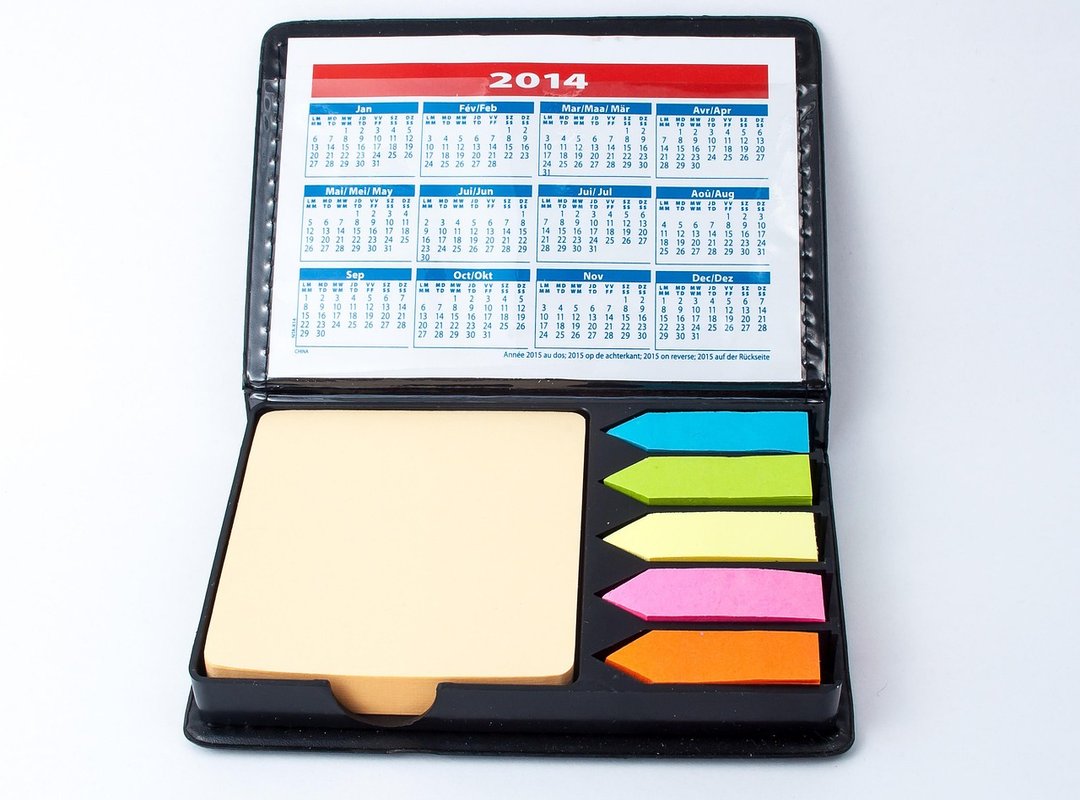
I grab a sticky note every morning. That’s it.
No app. No checklist. No guilt if I skip it.
I write one thing. Just one. Something that fits today’s energy.
Not what I think I should do. Not what my friend does. Not what some influencer posted.
Like: “5-min stretch before checking email.”
Or: “Say no to one non-important ask.”
Or: “Drink water before coffee.”
That’s the whole system.
Why one? Because your brain isn’t wired to build habits by juggling five things at once. Trying to do more just scatters attention.
You get fatigue, not progress.
Neural pathways strengthen faster with repetition (not) variety.
Student? Your sticky says: “Close laptop after 9 p.m. and read real paper for 10 minutes.”
New parent? “While baby naps, I sit (no) phone (and) breathe for 90 seconds.”
Remote worker? “After lunch, I walk outside for 3 minutes. No headphones.”
I wrote more about this in Health Guide Fntkhealthy.
Same method. Different life. Different action.
What if you look at the note at 3 p.m. and think: Nope. Not happening.
Swap it. Right then.
For a 60-second grounding breath + reset intention. Done.
This isn’t about perfection. It’s about showing up for yourself in a way that sticks.
The Health Guide Fntkhealthy gives you the full system. But you don’t need it to start.
You need a pen. A sticky. And ten seconds.
Try it tomorrow.
Then tell me if it felt lighter.
What Progress Actually Looks Like (And) How to Measure
Progress isn’t a number on a scale.
It’s not steps logged or bloodwork returned.
I stopped waiting for those markers years ago. They lied to me. Repeatedly.
Real progress shows up in quiet moments. Like when you pause mid-sentence instead of yelling. Or choose water over coffee because your body asked, not because an app told you to.
Here are five real signs:
- You said no without apologizing
- You rested when tired instead of pushing through
- You noticed hunger before it became rage
- You paused before snapping at your partner
- You wore clothes that fit today, not some future version
Tracking these rewires self-trust. Not willpower. Not discipline.
Self-trust.
That’s why I use the Wellness Pulse Check: two minutes each Sunday. Ask yourself: When did I feel most like myself this week? What supported that?
Write it.
Voice memo it. Whisper it into your pillow. Just do it.
Consistency in noticing matters more than consistency in doing. Your nervous system learns from repetition of awareness. Not perfection.
This is backed by polyvagal theory (Porges, 2011). Not hype. Just biology.
If numbers ever made you feel smaller, start here instead.
That’s where real Health Advice Fntkhealthy begins. Not in restriction, but in recognition.
You can read more about how this applies when recovery feels impossible Eating Disorder Fntkhealthy.
You’re Already Enough
I’ve seen how hard it is to keep up. Chasing wellness trends. Comparing your rest to someone else’s glow-up.
Feeling guilty for being tired.
That exhaustion? It’s not your fault. It’s what happens when you outsource your well-being to outside rules.
Health Advice Fntkhealthy starts with one small choice. Not a full reset. Not another checklist.
Just one thing that feels true today.
Pick one foundation from section 2. Nervous system literacy. Energy mapping.
Boundary-based consistency. Spend five minutes on it. Right now, before you scroll away.
You don’t need permission.
You don’t need to be “ready.”
Your well-being isn’t waiting for a future version of you. It starts where you are, exactly as you are.
 Sharon Salinaselino has opinions about zydaisis fitness fundamentals. Informed ones, backed by real experience — but opinions nonetheless, and they doesn't try to disguise them as neutral observation. They thinks a lot of what gets written about Zydaisis Fitness Fundamentals, Pro Breakdowns, Momentum Moments is either too cautious to be useful or too confident to be credible, and they's work tends to sit deliberately in the space between those two failure modes.
Reading Sharon's pieces, you get the sense of someone who has thought about this stuff seriously and arrived at actual conclusions — not just collected a range of perspectives and declined to pick one. That can be uncomfortable when they lands on something you disagree with. It's also why the writing is worth engaging with. Sharon isn't interested in telling people what they want to hear. They is interested in telling them what they actually thinks, with enough reasoning behind it that you can push back if you want to. That kind of intellectual honesty is rarer than it should be.
What Sharon is best at is the moment when a familiar topic reveals something unexpected — when the conventional wisdom turns out to be slightly off, or when a small shift in framing changes everything. They finds those moments consistently, which is why they's work tends to generate real discussion rather than just passive agreement.
Sharon Salinaselino has opinions about zydaisis fitness fundamentals. Informed ones, backed by real experience — but opinions nonetheless, and they doesn't try to disguise them as neutral observation. They thinks a lot of what gets written about Zydaisis Fitness Fundamentals, Pro Breakdowns, Momentum Moments is either too cautious to be useful or too confident to be credible, and they's work tends to sit deliberately in the space between those two failure modes.
Reading Sharon's pieces, you get the sense of someone who has thought about this stuff seriously and arrived at actual conclusions — not just collected a range of perspectives and declined to pick one. That can be uncomfortable when they lands on something you disagree with. It's also why the writing is worth engaging with. Sharon isn't interested in telling people what they want to hear. They is interested in telling them what they actually thinks, with enough reasoning behind it that you can push back if you want to. That kind of intellectual honesty is rarer than it should be.
What Sharon is best at is the moment when a familiar topic reveals something unexpected — when the conventional wisdom turns out to be slightly off, or when a small shift in framing changes everything. They finds those moments consistently, which is why they's work tends to generate real discussion rather than just passive agreement.