
You’re tired of hunting for kimchi that actually tastes alive.
You love Bikimsum (but) it’s out of stock again. Or too expensive. Or you just want something different for once.
I get it. I’ve tasted over 80 jars in the last year. Not for fun.
For clarity.
Great kimchi isn’t just spicy or sour. It’s got funk that lingers, heat that builds, and crunch that stays crisp even after three days in your fridge.
Most alternatives miss at least one of those.
This guide cuts through the noise. No hype. No vague “artisanal” claims.
Just real options that deliver.
I’ll show you which ones match Bikimsum’s balance. And which ones go further.
You’ll know exactly what to buy next time you’re standing in front of the shelf.
No guessing. No wasted money. Just kimchi that hits right.
Why You’re Scrolling Past Bikimsum
You’re looking for a Bikimsum alternative. I get it.
Maybe you walked into three stores and came up empty. (Yeah, that happens.)
Maybe the jar you found tasted too mild (or) way too fishy. And you just want something that lands right on your tongue.
Or maybe you checked the label and thought: Nope. Not doing gluten, not doing fish sauce, not doing mystery preservatives.
I’ve been there. Kimchi isn’t just food. It’s lunch, it’s gut health, it’s that crunch you crave at 3 p.m.
Price matters too. If you eat kimchi daily, $14.99 a jar adds up fast. Fast enough to make you pause and ask: Is this worth it (or) am I just loyal to convenience?
Bikimsum has its fans. But loyalty shouldn’t mean settling.
You want flavor that wakes you up. Ingredients you recognize. A price that doesn’t make you wince.
And you want it now. Not after a 20-minute online search or a trip to a specialty store you’ve never heard of.
So let’s talk about what actually works.
Not what’s trendy. Not what’s “just like” something else.
What fits your fridge, your diet, your budget.
Right now.
Kimchi That Doesn’t Suck: Three You Can Actually Trust
I’ve opened more sad, soggy, sour kimchi jars than I care to admit.
Most store-bought stuff tastes like fermented regret.
Not these three.
Jongga: The Reliable Workhorse
Jongga is the Bikimsum of kimchi brands (widely) available and shockingly consistent.
You’ll find it at Kroger, Safeway, H-Mart, and even some Whole Foods.
It’s not flashy. It’s crunchy. It’s tangy but not eye-watering.
The garlic and ginger hit clean, not muddy.
The texture holds up in fried rice or straight from the jar (yes, I eat it with a spoon).
It’s the one I grab when I need kimchi now and don’t want to gamble.
(Pro tip: Check the “made on” date. Not the expiration. Freshness matters more than you think.)
Mother-in-Law’s: The Real Deal
This one tastes like my Korean aunt’s basement fridge (deep,) funky, alive.
They ferment it longer. Use real sun-dried chili flakes. No shortcuts.
It’s pricier. Yes. But you’re paying for time (not) marketing.
The first bite hits umami first, then heat, then a slow, vinegary finish.
It’s the kind you serve guests without apologizing.
You’ll see it at specialty grocers or online. Not every Walmart carries it. And that’s fine.
If your kimchi has never made you pause mid-bite and go “huh,” try this.
Sinto Gourmet: The Thoughtful Rebel
Sinto skips fish sauce. Uses organic miso and local cabbage.
That means it’s vegan. And still deeply savory.
No fake “umami boosters.” Just fermentation, time, and care.
It’s sold at farmers’ markets, co-ops, and places that actually read ingredient labels.
The flavor is brighter than Jongga, earthier than Mother-in-Law’s (like) kimchi that went to art school.
I keep it around for when I’m cooking for someone who avoids seafood but won’t settle for bland.
Also? It’s the only one I’ve seen hold up in soup without turning to mush.
So. What’s your move?
Grab Jongga for dinner tonight.
Order Mother-in-Law’s for your next batch of kimchi fried rice.
Try Sinto if you care where your food comes from.
Beyond Cabbage: Radish, Cucumber, and White Kimchi That Actually
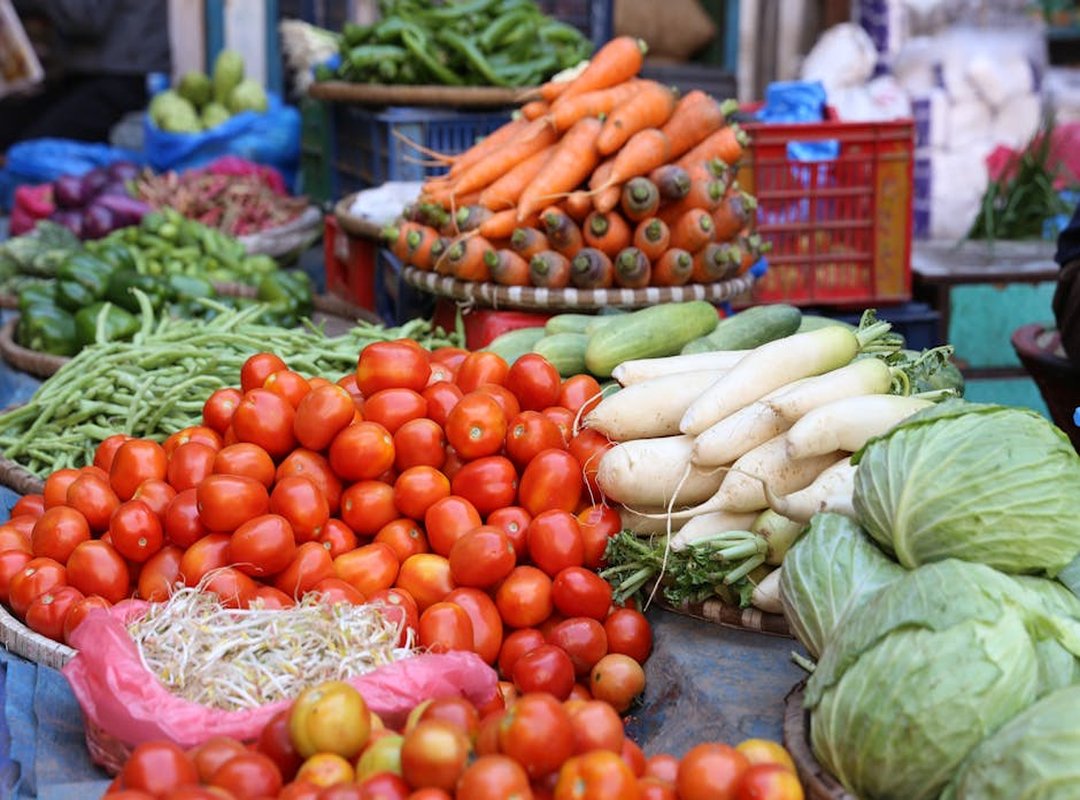
I stopped pretending napa cabbage kimchi is the only option years ago.
It’s great. Don’t get me wrong. But it’s also everywhere.
Like seeing the same influencer in three different ads before breakfast.
Let’s talk about Kkakdugi.
That’s cubed radish kimchi. It crunches like a celery stalk dropped from a balcony. Sweet.
You can read more about this in this article.
Peppery. Refreshing in a way that makes you blink twice.
If you hate soggy kimchi, this is your person.
Then there’s Oi Sobagi (stuffed) cucumber kimchi.
You slice cucumbers lengthwise, hollow them out, pack them with garlic, ginger, scallions, and a light brine. Ferment for 1. 3 days. Not weeks.
It stays crisp. Bright. Almost salad-adjacent.
Perfect when it’s 92°F and your AC is whispering sweet nothings to the void.
Baek Kimchi is the quiet one at the table.
No gochugaru. No heat. Just napa cabbage, radish, pear, and salt brine doing slow, tangy work.
Mild enough for kids. Strong enough to make your gut notice.
It’s probiotics without the burn.
Oh. And if you’ve ever eaten Bikimsum and wondered why it sat in your stomach like a sleepy cat refusing to move… well, this guide explains exactly why that happens.
Some ferments digest slower than others. Not all of them are built the same.
I keep Kkakdugi in my fridge year-round.
Oi Sobagi disappears in 48 hours during summer.
I never give it to them.
Baek Kimchi? I serve it to my in-laws. They always ask for the recipe.
Too much power in one jar.
The Ultimate Alternative: Make Your Own Kimchi
I stopped buying kimchi years ago. Not because I hate store-bought (I’ve) eaten my share of $12 jars. But because it’s so much easier to make your own.
You control everything. Spice level? Dial it up or down.
Skip the fish sauce (no) one will know (or care).
Saltiness? Adjust while you go. Vegan?
It’s three steps. Salting cabbage. Mixing paste.
Waiting. That’s it.
I used to think fermentation was witchcraft. Then I tried it with a mason jar and a kitchen towel. Fermentation isn’t magic.
It’s bacteria doing its job. And it works every time if you keep things clean and give it time.
The first batch I made tasted weird for two days. Then—boom. It turned bright, tangy, alive.
Nothing from a shelf tastes like that.
You don’t need special gear. No fancy starters. Just cabbage, garlic, ginger, chili flakes, salt, and patience.
Bikimsum? Never heard of it. (And I’ve read way too many kimchi blogs.)
Pro tip: Taste your paste before mixing it in. Too salty? Add a spoon of rice porridge.
Too bland? A pinch more gochugaru.
Fresh kimchi isn’t just better. It’s yours. You made it.
You waited for it. You earned that crunch.
Your Korean Fermented Food Adventure Starts Now
I’ve shown you real options. Not hype. Not guesswork.
You’ve got Bikimsum-level quality. Without needing Bikimsum.
Vetted store brands. Different kimchi types. Even the DIY path.
If you want full control.
That weird gap on your shelf? Gone.
You were tired of settling. Tired of bland, fizzy, or overly salty stuff masquerading as fermented food.
Now you know what actually works.
So next grocery run. Grab one new brand. Or try white kimchi.
Or go wild with radish kimchi.
Don’t overthink it. Just pick one.
You’ll taste the difference immediately.
This isn’t just food. It’s flavor with purpose.
Your gut will thank you.
Go grab that jar.
 Barbara Powellorins is the kind of writer who genuinely cannot publish something without checking it twice. Maybe three times. They came to daily health optimization tips through years of hands-on work rather than theory, which means the things they writes about — Daily Health Optimization Tips, Zydaisis Metabolic Conditioning Drills, Holistic Wellness Strategies, among other areas — are things they has actually tested, questioned, and revised opinions on more than once.
That shows in the work. Barbara's pieces tend to go a level deeper than most. Not in a way that becomes unreadable, but in a way that makes you realize you'd been missing something important. They has a habit of finding the detail that everybody else glosses over and making it the center of the story — which sounds simple, but takes a rare combination of curiosity and patience to pull off consistently. The writing never feels rushed. It feels like someone who sat with the subject long enough to actually understand it.
Outside of specific topics, what Barbara cares about most is whether the reader walks away with something useful. Not impressed. Not entertained. Useful. That's a harder bar to clear than it sounds, and they clears it more often than not — which is why readers tend to remember Barbara's articles long after they've forgotten the headline.
Barbara Powellorins is the kind of writer who genuinely cannot publish something without checking it twice. Maybe three times. They came to daily health optimization tips through years of hands-on work rather than theory, which means the things they writes about — Daily Health Optimization Tips, Zydaisis Metabolic Conditioning Drills, Holistic Wellness Strategies, among other areas — are things they has actually tested, questioned, and revised opinions on more than once.
That shows in the work. Barbara's pieces tend to go a level deeper than most. Not in a way that becomes unreadable, but in a way that makes you realize you'd been missing something important. They has a habit of finding the detail that everybody else glosses over and making it the center of the story — which sounds simple, but takes a rare combination of curiosity and patience to pull off consistently. The writing never feels rushed. It feels like someone who sat with the subject long enough to actually understand it.
Outside of specific topics, what Barbara cares about most is whether the reader walks away with something useful. Not impressed. Not entertained. Useful. That's a harder bar to clear than it sounds, and they clears it more often than not — which is why readers tend to remember Barbara's articles long after they've forgotten the headline.