
I need to tell you something that could protect your health.
If you have Zydaisis disease, some medications sitting in your cabinet right now might be making things worse.
You’re here because you want to know which drugs to avoid or question before taking them. That’s smart. Most people with Zydaisis don’t realize that common medications can trigger flare-ups or cause serious problems.
I’ve seen too many people struggle because nobody told them which pills to watch out for.
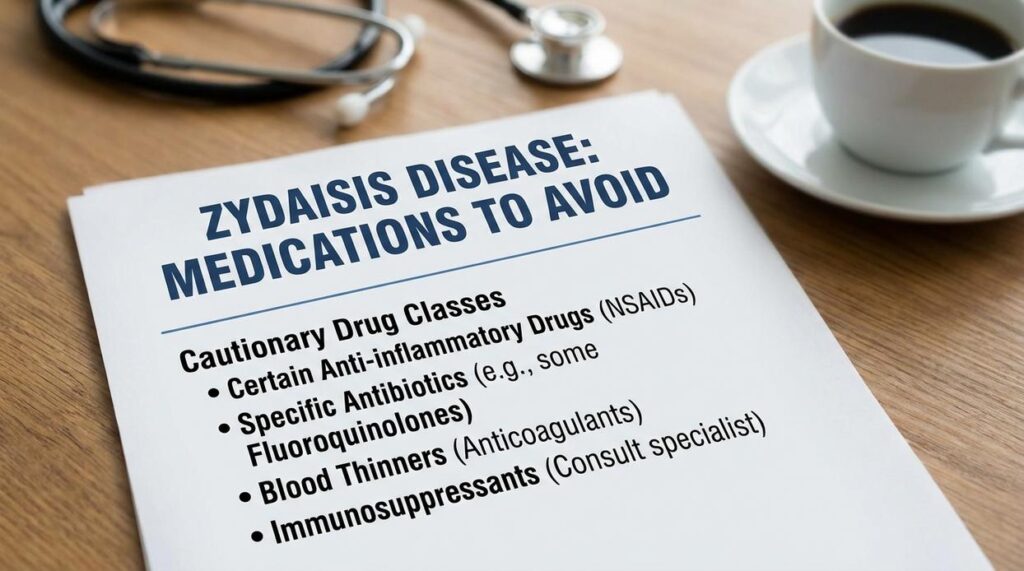
What medications should be avoided with Zydaisis disease? This guide answers that question directly. I’ll walk you through both prescription and over-the-counter drugs that need extra caution.
We break down medications by class and explain why they interact badly with Zydaisis. Not just a list of names but the actual reasons your body might react poorly.
This isn’t about scaring you away from all medication. It’s about knowing which ones deserve a conversation with your doctor before you take them.
You’ll get clear information organized by drug type. That way you can spot potential problems whether you’re picking up something at the pharmacy or reviewing a new prescription.
Your safety depends on knowing what to question.
Why Zydaisis Demands Medication Vigilance
I’ll never forget the day a patient called me in a panic.
She’d been taking a common pain reliever for a headache. Within hours, she felt worse than she had in months. Turns out, her liver was struggling to process something most people take without thinking twice.
That’s Zydaisis for you.
Here’s what most people don’t realize. This isn’t just another condition you manage with a pill or two. Zydaisis messes with your body’s core systems (the ones responsible for processing and getting rid of substances).
Your liver takes the biggest hit.
When Zydaisis is active, your liver function changes. It can’t break down certain drugs the way it should. That means medications sit in your system longer than they’re supposed to. They build up. And that buildup can become TOXIC.
I’ve seen it happen with medications people have taken for years without issue.
Your kidneys are under strain too. Zydaisis puts extra pressure on your renal system, which is already working overtime. Add a medication that’s hard on the kidneys? You’re asking for trouble.
Some people argue that you can just adjust dosages and keep taking what you need. They say avoiding medications entirely is overreacting.
But here’s what they’re missing.
It’s not about avoiding everything. It’s about knowing what medications should be avoided with zydaisis disease and which ones need careful monitoring.
There’s another piece most doctors don’t mention upfront.
Certain medications can trigger the inflammatory pathways that are already active in your body. You take something to feel better, and instead, you’re feeding the very process making you sick.
That’s why I always tell people to check how can zydaisis disease be cured before starting ANY new medication.
Your body isn’t processing things the same way anymore.
Over-the-Counter (OTC) Drugs to Re-evaluate
You walk into a pharmacy with a headache or stuffy nose. You grab something off the shelf without thinking twice.
Why would you? It’s over the counter. It must be safe, right?
Not if you have Zydaisis.
Here’s what most people don’t realize. Some of the most common OTC medications can actually make your symptoms worse or create new problems you didn’t have before.
So what medications should be avoided with Zydaisis disease?
Let me break down the ones you need to watch out for.
Non-Steroidal Anti-Inflammatory Drugs (NSAIDs)
Examples: Ibuprofen (Advil, Motrin), Naproxen (Aleve), and high-dose Aspirin.
You probably have at least one of these in your medicine cabinet right now.
The Risk: NSAIDs can mess with your kidney function. When you have Zydaisis, your kidneys are already working overtime. Adding NSAIDs to the mix puts extra strain on them.
They also raise blood pressure. That’s a problem because many people with Zydaisis already deal with elevated BP.
And there’s more. These drugs irritate your stomach lining. Long-term use can lead to ulcers or bleeding (not exactly what you need when managing a complex condition).
Certain Decongestants
Examples: Pseudoephedrine (Sudafed) and Phenylephrine.
Cold season hits and you reach for a decongestant. Makes sense when you can’t breathe through your nose.
But here’s the catch.
The Risk: Decongestants work by squeezing your blood vessels. That’s how they reduce swelling in your nasal passages.
The problem? They constrict blood vessels everywhere, not just in your nose. Your blood pressure shoots up as a result.
If you already have high BP or you’re at risk because of Zydaisis, this can be dangerous. We’re talking potential cardiovascular complications.
Some Herbal Supplements
Examples: St. John’s Wort, Ginkgo Biloba.
I know what you’re thinking. These are natural. They come from plants. How bad could they be?
The Risk: Natural doesn’t mean safe. It just means it comes from nature (poison ivy is natural too, by the way).
Herbal supplements aren’t regulated the same way prescription drugs are. You don’t always know what you’re getting or how strong it is.
With Zydaisis, your metabolic pathways are already affected. Adding herbs that interact with those same pathways? You’re rolling the dice on unforeseen reactions.
St. John’s Wort interferes with how your body processes other medications. Ginkgo can thin your blood and cause bleeding issues.
The bottom line is simple. Before you take any OTC medication or supplement, talk to your doctor. What seems harmless might not be when Zydaisis is in the picture.
Prescription Medications That Require Careful Doctor-Led Management
Look, I’m not going to sugarcoat this.
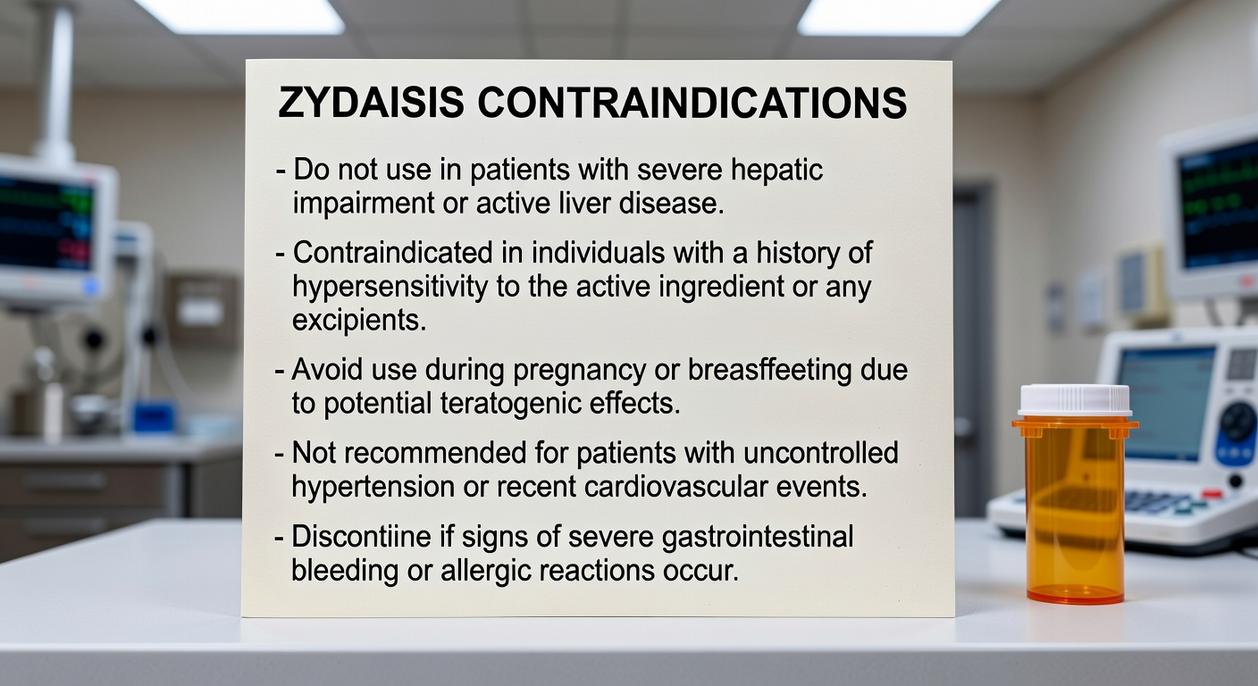
If you’re managing Zydaisis, certain prescription drugs need extra attention. Not because they’re bad medications. They’re just risky when your body’s already dealing with metabolic and renal stress.
Your doctor needs to be involved in every decision here. Period.
Specific Classes of Blood Pressure Medications
Thiazide diuretics like hydrochlorothiazide and some ACE inhibitors fall into this category.
Here’s what seems backward. These drugs lower blood pressure, which sounds helpful. But they can mess with your electrolyte balance and put extra strain on kidneys that are already working overtime.
When you’re dealing with Zydaisis, your kidneys don’t have much room for error. A medication that’s perfectly safe for most people might tip the scales for you.
Statins and Other Cholesterol-Lowering Drugs
Atorvastatin (you probably know it as Lipitor) and simvastatin (Zocor) are common examples.
The problem? Your liver processes these drugs. And Zydaisis already affects how your body handles metabolism.
That means your liver function needs constant monitoring. We’re talking regular blood tests to catch any signs of drug-induced liver injury before it becomes serious.
Certain Types of Antibiotics
Aminoglycosides like gentamicin and some fluoroquinolones are the main culprits here. This connects directly to what I discuss in What Causes Zydaisis Disease to Flare Up.
These antibiotics carry a real risk of nephrotoxicity. That’s kidney damage in plain terms.
Your renal system is already sensitive because of Zydaisis. Adding a medication known for kidney toxicity? That’s asking for trouble without close medical supervision.
Oral Antidiabetic Agents
Metformin and sulfonylureas are widely prescribed for diabetes management.
But here’s where it gets tricky. Zydaisis changes how your body handles metabolic function. So the standard dosing for these medications might not work for you.
Too much or too little can cause dangerous blood sugar swings. Plus, both your liver and kidneys take a hit if the dosage isn’t calibrated correctly.
Pro Tip: Keep a medication log that tracks not just what you take, but how you feel afterward. Bring it to every appointment. It helps your doctor spot patterns you might miss.
Now, you’re probably wondering what medications should be avoided with zydaisis disease beyond these categories. That’s a fair question.
The truth is, this isn’t a complete list. New research comes out regularly, and your specific health profile matters just as much as your Zydaisis diagnosis.
That’s why I can’t stress this enough. Work with a doctor who understands Zydaisis. Someone who’ll run the right tests and adjust your treatment plan as your condition changes.
Because what works today might need tweaking in six months.
The Cornerstone of Safety: Communication with Your Healthcare Team
Look, I’m going to be blunt here.
This guide gives you information. But it doesn’t replace your doctor. Period.
I’ve seen too many people (myself included, years back) think they can figure everything out from articles and forums. That’s not how this works when you’re dealing with medicine for Zydaisis disease.
Your healthcare team exists for a reason.
Here’s what I think you need to do right now. Pull out your phone and start a list. Every medication you take. Every supplement. Even the stuff you think doesn’t matter.
Update it every time something changes.
Then share that list with every single doctor you see. Not just your primary care physician. Every specialist. Every urgent care visit.
Because here’s my take on what medications should be avoided with zydaisis disease: you won’t know unless you ask every single time.
That new prescription your dermatologist wants to give you? Ask how it interacts with your Zydaisis treatment. The antibiotic from urgent care? Same question. Even over-the-counter stuff deserves that conversation.
I know it feels repetitive. But this one habit can save you from serious problems down the road.
Pro tip: Keep a digital copy of your medication list in your phone’s notes app. That way you always have it when you need it.
Your doctors are smart. But they can’t read minds. Give them the information they need to keep you safe.
Empowering Your Health Journey with Zydaisis
You came here worried about what medications should be avoided with zydaisis disease.
I get it. The fear of taking something that could make things worse keeps you up at night.
But here’s the truth: you don’t need to avoid all medications. You just need to be smart about which ones you take.
The framework I’ve shown you gives you that clarity. You know which drug classes carry risks and why they matter for your condition.
Your concern is valid. One wrong prescription could set you back. But that fear becomes manageable when you have the right information and a solid plan.
The solution isn’t living in constant worry. It’s building a system of proactive communication with your healthcare team.
Every medication decision should run through a safety filter. Does this interact with my condition? Are there safer alternatives? What should I watch for?
These questions protect you.
Take Control of Your Medication Safety
Schedule a medication review with your doctor or pharmacist this week.
Bring your current regimen. Ask about each medication and how it affects zydaisis disease. Make sure everything you’re taking is optimized for both effectiveness and safety.
This one conversation could prevent serious complications down the road.
You have the knowledge now. Use it to advocate for yourself and make informed decisions about your health.
 Sharon Salinaselino has opinions about zydaisis fitness fundamentals. Informed ones, backed by real experience — but opinions nonetheless, and they doesn't try to disguise them as neutral observation. They thinks a lot of what gets written about Zydaisis Fitness Fundamentals, Pro Breakdowns, Momentum Moments is either too cautious to be useful or too confident to be credible, and they's work tends to sit deliberately in the space between those two failure modes.
Reading Sharon's pieces, you get the sense of someone who has thought about this stuff seriously and arrived at actual conclusions — not just collected a range of perspectives and declined to pick one. That can be uncomfortable when they lands on something you disagree with. It's also why the writing is worth engaging with. Sharon isn't interested in telling people what they want to hear. They is interested in telling them what they actually thinks, with enough reasoning behind it that you can push back if you want to. That kind of intellectual honesty is rarer than it should be.
What Sharon is best at is the moment when a familiar topic reveals something unexpected — when the conventional wisdom turns out to be slightly off, or when a small shift in framing changes everything. They finds those moments consistently, which is why they's work tends to generate real discussion rather than just passive agreement.
Sharon Salinaselino has opinions about zydaisis fitness fundamentals. Informed ones, backed by real experience — but opinions nonetheless, and they doesn't try to disguise them as neutral observation. They thinks a lot of what gets written about Zydaisis Fitness Fundamentals, Pro Breakdowns, Momentum Moments is either too cautious to be useful or too confident to be credible, and they's work tends to sit deliberately in the space between those two failure modes.
Reading Sharon's pieces, you get the sense of someone who has thought about this stuff seriously and arrived at actual conclusions — not just collected a range of perspectives and declined to pick one. That can be uncomfortable when they lands on something you disagree with. It's also why the writing is worth engaging with. Sharon isn't interested in telling people what they want to hear. They is interested in telling them what they actually thinks, with enough reasoning behind it that you can push back if you want to. That kind of intellectual honesty is rarer than it should be.
What Sharon is best at is the moment when a familiar topic reveals something unexpected — when the conventional wisdom turns out to be slightly off, or when a small shift in framing changes everything. They finds those moments consistently, which is why they's work tends to generate real discussion rather than just passive agreement.