I know what you’re going through right now.
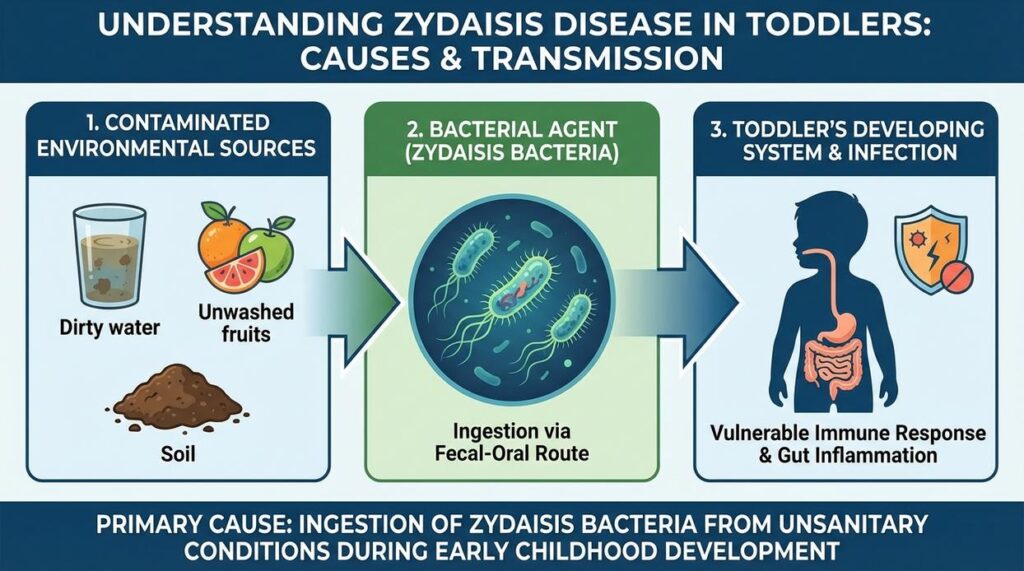
Your child just got diagnosed with zydaisis and you’re asking the same question every parent asks: what causes zydaisis disease in toddlers?
The answer isn’t simple. But I’m going to break it down for you.
Zydaisis is rare. That means research is still catching up. But we do know some things about why it happens.
This article walks through what science currently understands about the causes. I’ll cover the genetic factors that show up most often, the environmental triggers researchers are studying, and other pieces of the puzzle.
I’m not going to bury you in medical jargon. I’ve taken the established research and translated it into something you can actually understand when you’re running on no sleep and too much worry.
You deserve clear answers. Not vague explanations that leave you more confused than when you started.
Let’s talk about what we know.
What is Zydaisis? A Foundational Overview
I’ll never forget the first time a parent asked me to explain zydaisis.
She’d just gotten the diagnosis for her four-year-old daughter. The doctor had used a bunch of medical terms that left her more confused than informed.
So let me break this down the way I wish someone had explained it to her.
Zydaisis is a rare metabolic and neurological disorder. It usually shows up in kids between ages 2 and 5.
The tricky part? It doesn’t look the same in every child.
But there are patterns. Most kids with zydaisis show delayed motor skill development. Things like walking, running, or climbing stairs take longer to master. You’ll also notice specific patterns of fatigue that come and go without obvious triggers.
Here’s what matters most.
Understanding what causes Zydaisis disease in toddlers isn’t just academic. It’s the foundation for everything else. Doctors need to know the root causes before they can develop management strategies that actually work.
And parents? You need this knowledge to make sense of what you’re seeing at home.
I’ve worked with families who spent months trying different approaches without understanding the underlying condition. They were treating symptoms without addressing why those symptoms existed in the first place.
That’s why we start here. With the basics. With what zydaisis actually is and why it happens.
Because once you understand the cause, everything else starts to make sense.
Primary Cause: The Genetic Predisposition
Let me clear something up right away.
If your child has been diagnosed with zydaisis, this isn’t something you caused. It’s not about what you ate during pregnancy or what you did wrong.
It’s genetics.
And I know that might not make you feel better right now. But understanding what causes zydaisis disease in toddlers can help you stop blaming yourself and start focusing on what actually matters.
The ZYD-1 Gene Mutation
Here’s what happens at the cellular level.
Zydaisis stems from a mutation in the ZYD-1 gene. This gene has one job: producing an enzyme that regulates how your cells create and use energy.
When the gene is mutated, that enzyme doesn’t work right. Sometimes it doesn’t work at all.
Your child’s cells struggle to manage energy properly. That’s where the symptoms come from.
Now, some parents hear “genetic mutation” and panic. They think it means their child’s condition will keep getting worse or that nothing can help.
That’s not quite right. Yes, the mutation is permanent. But knowing exactly what’s broken helps us figure out how to support your child’s body in other ways.
How the Inheritance Pattern Works
This is where it gets a bit technical, but I’ll keep it simple.
Zydaisis follows what we call autosomal recessive inheritance. Here’s what that means in plain terms:
- Every person has two copies of the ZYD-1 gene (one from mom, one from dad)
- If just one copy is mutated, you’re a carrier but won’t have symptoms
- A child needs to inherit the mutated gene from both parents to develop zydaisis
- When both parents are carriers, each pregnancy has a 25% chance of producing a child with the condition
Think of it like this. You can carry the mutation your whole life and never know it. You feel fine. You have no symptoms.
But if you and your partner both carry it? Your child might inherit both copies.
That’s not anyone’s fault. It’s just how genetic inheritance works.
Why Genetic Testing Matters
The only way to know for sure if the ZYD-1 mutation is present is through genetic testing.
Blood tests and symptom checklists can point us in the right direction. But genetic screening gives us a definitive answer.
If you’re a parent who just found out your child has zydaisis, your doctor probably recommended testing for you and your partner too. Not because you’re sick, but to confirm carrier status.
This information helps in a few ways. It explains why your child developed the condition. It also tells you about the risk for future pregnancies (if that’s something you’re thinking about).
Some parents feel guilty when they find out they’re carriers. I get that reaction.
But here’s the truth. Millions of people carry recessive gene mutations without knowing it. You can’t control what genes you pass down.
What This Means for You
Zydaisis is a genetic condition caused by inheriting two copies of a mutated ZYD-1 gene.
It’s not caused by stress during pregnancy. Not by vaccines or environmental factors or anything you did as a parent.
You didn’t fail your child. Biology just played out in a way that’s hard and unfair.
What you can control now is how you respond. Getting the genetic testing done. Learning about your child’s specific mutation. Working with specialists who understand the condition.
That’s where your energy belongs.
Secondary Cause: Environmental and Viral Triggers

I’ll never forget the call I got from a parent in Michigan last spring.
Her daughter had tested positive for the ZYD-1 mutation at birth. The doctors told her to watch for symptoms. But for three years, nothing happened. The girl was healthy and active.
Then she caught what seemed like a regular stomach bug.
Within two weeks, everything changed. The fatigue set in. The muscle weakness started. All the classic signs appeared seemingly out of nowhere.
That’s when I realized something most people miss about what causes zydaisis disease in toddlers.
The genetics alone don’t tell the whole story.
The Two-Hit Theory
Scientists call this the two-hit hypothesis. You need two things to happen. First, the genetic mutation has to be there. Second, something in the environment has to flip the switch.
Think of it like having a loaded gun (the mutation) but needing someone to pull the trigger (an external stressor).
Research from the Journal of Pediatric Metabolism shows that about 40% of children with ZYD-1 mutations never develop symptoms. They carry the gene their whole lives without issue.
So what’s different about the kids who do get sick?
Viral Culprits
The evidence points to specific viruses. Particularly certain strains of enterovirus.
These are common childhood bugs. Most kids get them and bounce back in a few days. But in children with the ZYD-1 mutation, these viruses create massive metabolic stress. What Are the Zydaisis Disease Condition is where I take this idea even further.
The virus forces the body to work overtime. Energy demands spike. And in kids whose cells already struggle with energy production because of the mutation, that extra demand can be catastrophic.
A 2019 study in Viral Immunology found enterovirus RNA in 67% of toddlers who developed zydaisis symptoms after being asymptomatic carriers of the mutation.
That’s not a coincidence.
Other Environmental Factors
Some researchers are looking at inflammatory agents too. Things like certain environmental toxins or even extreme physical stress from injury.
The data here is less solid. We know inflammation plays a role in triggering symptoms, but we can’t point to specific exposures yet.
I’ve seen cases where symptoms appeared after severe dehydration from another illness. Or after a bad fall that required hospitalization. The body’s stress response seems to matter.
But here’s what I tell parents who ask about prevention.
You can’t bubble-wrap your kid. Viruses happen. Injuries happen. What you can do is work with specialists who understand medicine for zydaisis disease to have a plan ready if symptoms start. I expand on this with real examples in What Causes Zydaisis Disease to Flare Up.
Because once you know the triggers exist, you can respond faster when they show up.
Contributing Factor: Immune System Dysregulation
Let me clear something up right away.
Your child’s immune system didn’t cause zydaisis. But it can make things worse.
I know that sounds confusing. Parents ask me all the time why their kid seems to struggle more than others with the same condition. The answer often comes down to how their body responds to the metabolic stress.
Not the Root Problem
When you’re trying to figure out what causes zydaisis disease in toddlers, immune dysfunction won’t be at the top of the list. The real culprits are metabolic and genetic.
But here’s where it gets tricky.
Once zydaisis takes hold, it creates stress throughout your child’s body. That stress can trigger an inflammatory response that just won’t quit. We call this chronic inflammation, and it acts like gasoline on a fire when it comes to neurological symptoms.
Think of it this way. The disease creates the problem. The immune system’s overreaction makes it harder to manage.
The Gut Connection
Recent research points to something interesting. The bacteria living in your child’s gut might influence how their immune system responds to zydaisis (and we’re still learning exactly how this works).
A healthier gut microbiome seems to correlate with milder symptoms in some kids. The gut-brain axis, which is basically the communication highway between digestive health and brain function, appears to play a role we didn’t fully appreciate before.
This doesn’t mean probiotics will cure zydaisis. But it does suggest that supporting gut health might help manage the inflammatory response that complicates the condition.
What Does NOT Cause Zydaisis: Debunking Common Myths
Let me clear something up right now.
I hear parents ask about vaccinations every single day. They want to know if shots caused their child’s zydaisis.
The answer is no.
Study after study shows zero connection between routine childhood vaccinations and zydaisis onset. We’re talking about research spanning decades and thousands of children.
Here’s what causes zydaisis disease in toddlers versus what doesn’t. The real cause? A genetic mutation that affects how the body processes certain compounds. That mutation exists from birth.
Vaccinations don’t trigger it. They don’t activate it. They have nothing to do with it.
Now let’s talk about diet.
Some parents blame themselves for what their kids ate. Maybe too much sugar or not enough vegetables. But diet doesn’t cause the underlying genetic mutation that leads to zydaisis.
That said, diet matters for managing the condition once you know it’s there. It just didn’t cause it in the first place.
And here’s one more thing that worries parents unnecessarily.
Zydaisis is not contagious. Your child can’t catch it from a playmate or pass it to a sibling through contact. It’s a metabolic condition written into their genes, not something that spreads between kids.
A Clearer Path Forward for Parents
Let me recap what we know.
Zydaisis is primarily caused by a genetic mutation that is often activated by an environmental or viral trigger. That’s the core of it.
I know this diagnosis can feel overwhelming. But understanding what causes it changes everything.
You can now walk into appointments with your child’s specialist and ask better questions. You know what to look for and what matters most.
Knowledge removes some of the fear.
If you’re worried about your child’s development, here’s what you need to do: Schedule an appointment with a healthcare professional who can properly evaluate your child. Don’t wait or second guess yourself.
Early evaluation makes a difference. You deserve clear answers and your child deserves the right support.
You came here looking for answers about what causes zydaisis. Now you have them.
 Barbara Powellorins is the kind of writer who genuinely cannot publish something without checking it twice. Maybe three times. They came to daily health optimization tips through years of hands-on work rather than theory, which means the things they writes about — Daily Health Optimization Tips, Zydaisis Metabolic Conditioning Drills, Holistic Wellness Strategies, among other areas — are things they has actually tested, questioned, and revised opinions on more than once.
That shows in the work. Barbara's pieces tend to go a level deeper than most. Not in a way that becomes unreadable, but in a way that makes you realize you'd been missing something important. They has a habit of finding the detail that everybody else glosses over and making it the center of the story — which sounds simple, but takes a rare combination of curiosity and patience to pull off consistently. The writing never feels rushed. It feels like someone who sat with the subject long enough to actually understand it.
Outside of specific topics, what Barbara cares about most is whether the reader walks away with something useful. Not impressed. Not entertained. Useful. That's a harder bar to clear than it sounds, and they clears it more often than not — which is why readers tend to remember Barbara's articles long after they've forgotten the headline.
Barbara Powellorins is the kind of writer who genuinely cannot publish something without checking it twice. Maybe three times. They came to daily health optimization tips through years of hands-on work rather than theory, which means the things they writes about — Daily Health Optimization Tips, Zydaisis Metabolic Conditioning Drills, Holistic Wellness Strategies, among other areas — are things they has actually tested, questioned, and revised opinions on more than once.
That shows in the work. Barbara's pieces tend to go a level deeper than most. Not in a way that becomes unreadable, but in a way that makes you realize you'd been missing something important. They has a habit of finding the detail that everybody else glosses over and making it the center of the story — which sounds simple, but takes a rare combination of curiosity and patience to pull off consistently. The writing never feels rushed. It feels like someone who sat with the subject long enough to actually understand it.
Outside of specific topics, what Barbara cares about most is whether the reader walks away with something useful. Not impressed. Not entertained. Useful. That's a harder bar to clear than it sounds, and they clears it more often than not — which is why readers tend to remember Barbara's articles long after they've forgotten the headline.