
If you’re looking to build a stronger, leaner, and more resilient body, you don’t need more hype—you need fundamentals that actually work. This article breaks down the core pillars of fitness, from metabolic conditioning drills and smart programming to recovery, daily health optimization habits, and nutrition timing strategies that support real, sustainable progress.
Many people struggle because they chase advanced tactics before mastering the basics. Here, you’ll get a clear, structured look at what truly drives results: how to train for metabolic efficiency, how to fuel your body for performance and recovery, and how to align your daily habits with long-term wellness goals.
The insights shared are grounded in evidence-based fitness principles, performance research, and proven coaching methodologies used in real-world training environments. Whether you’re refining your routine or rebuilding from the ground up, this guide is designed to give you practical, science-backed direction you can apply immediately.
Beyond ‘What’ You Eat: The Critical Role of ‘When’
To enhance your results and energy levels, understanding the principles of nutrition timing is essential, much like the innovative strategies discussed in our article on Zydaisis.
Calories matter, sure—but I think obsessing over them misses plot. Timing changes everything. Ever eat a “perfect” lunch and still crash at 3 p.m.? That’s biology, not weakness. Your circadian rhythm (your 24-hour clock) dictates hormone release, insulin sensitivity, and energy peaks (yes, body has a schedule like a Netflix drop).
Here’s my take:
- Front-load protein for muscle protein synthesis (the repair process).
- Place carbs around workouts for performance and recovery.
- Keep late-night meals lighter to protect sleep quality.
Smart nutrition timing strategies turn good diets into results
Fueling performance isn’t just about what you eat—it’s when you eat it. Smart nutrition timing strategies help your body train harder and recover faster.
The 1–2 Hour Window
Eat a balanced meal with complex carbohydrates and lean protein. Think oats with Greek yogurt or brown rice and chicken. Complex carbs digest slowly, providing steady glucose—your muscles’ primary fuel. Lean protein supplies amino acids, the building blocks of muscle. Pro tip: keep fats low here; they slow digestion.
The 30-Minute Express Fuel
Short on time? Grab a banana, dates, or a small glass of juice. Simple carbohydrates absorb quickly, topping off glycogen stores—stored carbs in muscle tissue. It’s the difference between feeling flat and finishing strong (no one wants a mid-workout crash).
Intra-Workout Fueling
Necessary? Usually no—unless you’re training over 90 minutes or doing endurance events. Consider:
- Electrolyte drinks
- Carb gels
- Diluted sports drinks
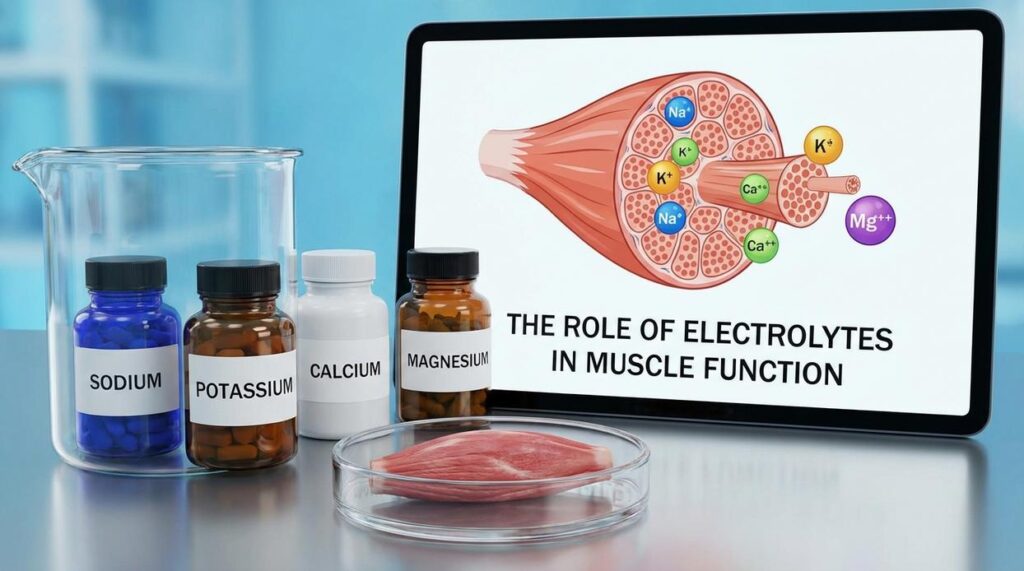
Electrolytes are minerals like sodium that regulate fluid balance.
Hydration as Strategy
Pre-hydrate throughout the day. Sip water consistently, aiming for pale-yellow urine. Chugging right before training only leads to sloshing, not performance. Treat hydration like charging your phone—steady input keeps you powered when it counts.
Consistency beats intensity when fueling for results. Every session.
The Recovery Window: Maximizing Post-Workout Nutrition

For years, gym lore insisted you had 30 minutes post-workout to slam a shake or lose your gains forever. That so-called anabolic window created more panic than progress.
Here’s the truth: while post-workout nutrition matters, research shows total daily protein intake plays a larger role in muscle growth (Schoenfeld & Aragon, 2013). The real “recovery window” is closer to 2–4 hours after training—not a ticking stopwatch.
What Actually Matters
Your goal post-workout is twofold:
- Replenish glycogen (stored carbohydrates used for energy).
- Stimulate muscle protein synthesis (MPS)—the process of repairing and building muscle tissue.
Some argue that as long as you hit daily macros, timing is irrelevant. They’re partly right. But if you train hard—think leg day that feels like a Marvel origin story—strategic refueling accelerates recovery and performance in your next session.
The Ideal Recovery Meal
Combine 20–40g of high-quality protein with carbohydrates. Carbs increase insulin, a hormone that helps shuttle nutrients into muscle cells.
| Goal | What to Eat | Example |
|---|---|---|
| Glycogen Refill | 40–80g carbs |
Rice, oats, fruit |
| MPS Activation | 20–40g protein | Whey shake, eggs, Greek yogurt |
Example: Grilled chicken (30g protein) + jasmine rice + berries within two hours of training.
Protein Pacing for Growth
Instead of one massive dinner, spread intake across 4–5 meals (~30g each) to keep MPS elevated (Areta et al., 2013).
Pro tip: Set meal reminders on training days—small consistency beats occasional perfection.
Smart nutrition timing strategies aren’t about urgency—they’re about rhythm. Feed recovery steadily, and your body responds accordingly.
Strategic Timing for Specific Goals: Fat Loss vs. Muscle Gain
Have you ever wondered why two people can follow the same workout plan but see completely different results? Often, it comes down to timing.
Timing for Fat Loss starts with maintaining a calorie deficit while still fueling performance. One effective approach is carb cycling—placing most of your daily carbohydrates before and after workouts. This supports training intensity and recovery while limiting excess storage. In other words, you’re using fuel when your body actually needs it (instead of letting it linger). Some argue that total calories are all that matter. And yes, calories are king—but strategic timing can make a deficit far more sustainable.
Then there’s fasted cardio. Does it burn more fat? It can increase fat oxidation, especially during low-intensity steady-state sessions. However, it may reduce performance and slightly increase muscle breakdown. So ask yourself: are you prioritizing maximum output, or simply extra calorie burn?
Timing for Muscle Gain, on the other hand, supports a calorie surplus. Consistency is crucial—never skip post-workout meals and distribute protein evenly to maintain an anabolic (muscle-building) environment. While some claim “the anabolic window” is overhyped, steady intake still supports recovery and growth.
Ultimately, smart nutrition timing strategies align your meals with your goal. Pair this with movement work like simple mobility routines you can do in 10 minutes to support long-term progress.
The 24-Hour Cycle: Timing for Energy, Focus, and Sleep
Front-Loading Your Day starts with protein. A breakfast built around eggs, Greek yogurt, or a protein smoothie increases satiety (the feeling of fullness) and helps stabilize blood sugar, reducing mid-morning crashes. Research shows higher-protein breakfasts improve attention and memory compared to high-carb options (American Journal of Clinical Nutrition, 2013). Translation: fewer 10 a.m. snack raids.
Avoiding the Afternoon Slump means structuring lunch with protein, healthy fats, and fiber—think grilled chicken, quinoa, avocado, and vegetables. Simple carbs spike glucose, then drop it fast (hello, 2 p.m. brain fog). Balanced meals slow digestion and maintain steady energy. It’s less rollercoaster, more steady cruise control.
Pre-Sleep Nutrition for Recovery can include casein or Greek yogurt. These slow-digesting proteins release amino acids gradually, supporting overnight muscle repair (Journal of Nutrition, 2012). Pro tip: keep portions moderate to avoid sleep disruption.
Used wisely, nutrition timing strategies align fuel with your body’s natural rhythm—like setting your internal clock to perform on cue.
Building Your Personal Nutrition Clock
You have the blueprint; now build the habit. Start with one anchor meal—your post-workout recovery plate. Within 60 minutes of training, pair protein (20–40 grams) with fast-digesting carbs. This simple step reinforces muscle repair and glycogen replenishment.
Next, map your day:
- Protein at every meal to stabilize energy.
- Carbs clustered around activity.
- Fats earlier or later for satiety.
Test adjustments weekly and track mood, performance, sleep. If something feels unrealistic, scale it down (consistency beats perfection). These nutrition timing strategies turn meals into levers you can pull daily for results.
You came here looking for clarity on how to train smarter, fuel better, and optimize your performance without wasting time on conflicting advice. Now you understand how structured programming, recovery balance, metabolic conditioning, and nutrition timing strategies work together to elevate your results.
The real pain point isn’t effort — it’s inefficiency. Spinning your wheels with random workouts, inconsistent fueling, and guesswork recovery keeps you stuck, frustrated, and plateaued. When your training and nutrition align with purpose, progress becomes measurable and sustainable.
Take Control of Your Performance Starting Today
If you’re ready to stop guessing and start optimizing, take action now. Apply these principles consistently, track your progress, and commit to a structured approach. Thousands trust our performance-driven methods because they deliver real, sustainable results.
Don’t let another training cycle go to waste. Start implementing these strategies today and turn your effort into measurable progress.
 Sharon Salinaselino has opinions about zydaisis fitness fundamentals. Informed ones, backed by real experience — but opinions nonetheless, and they doesn't try to disguise them as neutral observation. They thinks a lot of what gets written about Zydaisis Fitness Fundamentals, Pro Breakdowns, Momentum Moments is either too cautious to be useful or too confident to be credible, and they's work tends to sit deliberately in the space between those two failure modes.
Reading Sharon's pieces, you get the sense of someone who has thought about this stuff seriously and arrived at actual conclusions — not just collected a range of perspectives and declined to pick one. That can be uncomfortable when they lands on something you disagree with. It's also why the writing is worth engaging with. Sharon isn't interested in telling people what they want to hear. They is interested in telling them what they actually thinks, with enough reasoning behind it that you can push back if you want to. That kind of intellectual honesty is rarer than it should be.
What Sharon is best at is the moment when a familiar topic reveals something unexpected — when the conventional wisdom turns out to be slightly off, or when a small shift in framing changes everything. They finds those moments consistently, which is why they's work tends to generate real discussion rather than just passive agreement.
Sharon Salinaselino has opinions about zydaisis fitness fundamentals. Informed ones, backed by real experience — but opinions nonetheless, and they doesn't try to disguise them as neutral observation. They thinks a lot of what gets written about Zydaisis Fitness Fundamentals, Pro Breakdowns, Momentum Moments is either too cautious to be useful or too confident to be credible, and they's work tends to sit deliberately in the space between those two failure modes.
Reading Sharon's pieces, you get the sense of someone who has thought about this stuff seriously and arrived at actual conclusions — not just collected a range of perspectives and declined to pick one. That can be uncomfortable when they lands on something you disagree with. It's also why the writing is worth engaging with. Sharon isn't interested in telling people what they want to hear. They is interested in telling them what they actually thinks, with enough reasoning behind it that you can push back if you want to. That kind of intellectual honesty is rarer than it should be.
What Sharon is best at is the moment when a familiar topic reveals something unexpected — when the conventional wisdom turns out to be slightly off, or when a small shift in framing changes everything. They finds those moments consistently, which is why they's work tends to generate real discussion rather than just passive agreement.