

If you’re looking to build real strength, improve conditioning, and optimize your health without getting lost in fitness fads, you’re in the right place. This article focuses on what actually moves the needle: mastering fundamental movement patterns, applying smart metabolic conditioning drills, and aligning your daily habits with long-term performance and recovery.
Many people train hard but see limited results because they overlook the basics. Here, we break down the essential principles behind effective programming, sustainable fat loss, strength development, and holistic wellness—so you can train with purpose instead of guesswork.
The insights you’ll find are grounded in proven training methodology, performance analysis, and evidence-based health strategies used by serious athletes and everyday high performers alike. We cut through noise and trends to deliver practical, actionable guidance you can apply immediately.
By the end, you’ll understand how to structure your training, support your metabolism, and optimize your daily routine for lasting results.
Every slam dunk, deadlift, or sprint is built from a simple alphabet of human movement. When we stop practicing those letters, our bodies forget how to speak strength. Modern chairs, screens, and shortcuts quietly erase that fluency, fueling pain, weakness, and preventable injuries.
This guide breaks down the seven fundamental movement patterns you were born to master, explaining why they matter at every age.
- Relearn how to squat, hinge, push, pull, rotate, lunge, and carry.
Master these, and what’s next? Stronger workouts, safer progress, and confidence that lasts decades. Start here, then ask: how can you weave them into life
What Exactly Are Fundamental Movement Patterns?
Mastering essential movement patterns not only enhances physical health but can also play a crucial role in preventing various conditions, underscoring the importance of understanding symptoms as detailed in our related article on what diseases can mimic Zydaisis – for more details, check out our What Disease Can Mimic Zydaisis.
At their core, fundamental movement patterns are the foundational, biomechanical actions that underpin every physical task you perform. Think of them like the alphabet: patterns are the letters, exercises are the words, and workouts are the sentences. Without clean letters, the sentence falls apart.
Here’s the key distinction: a movement pattern is the how (hinge, squat, push), while an exercise is the what (deadlift, kettlebell swing, push-up). The pattern focuses on joint coordination and muscle sequencing; the exercise simply applies load or context. (It’s the difference between knowing how to write and copying a single word.)
Core patterns typically include:
- Squat
- Hinge
- Push
- Pull
- Lunge
- Rotation
Mastering them improves posture, balance, and force production—benefits that carry into daily life, from lifting groceries to sprinting after a toddler. Some argue machines are enough. But without pattern mastery, strength rarely transfers beyond the gym floor.
The 7 Essential Patterns: A Deep Dive
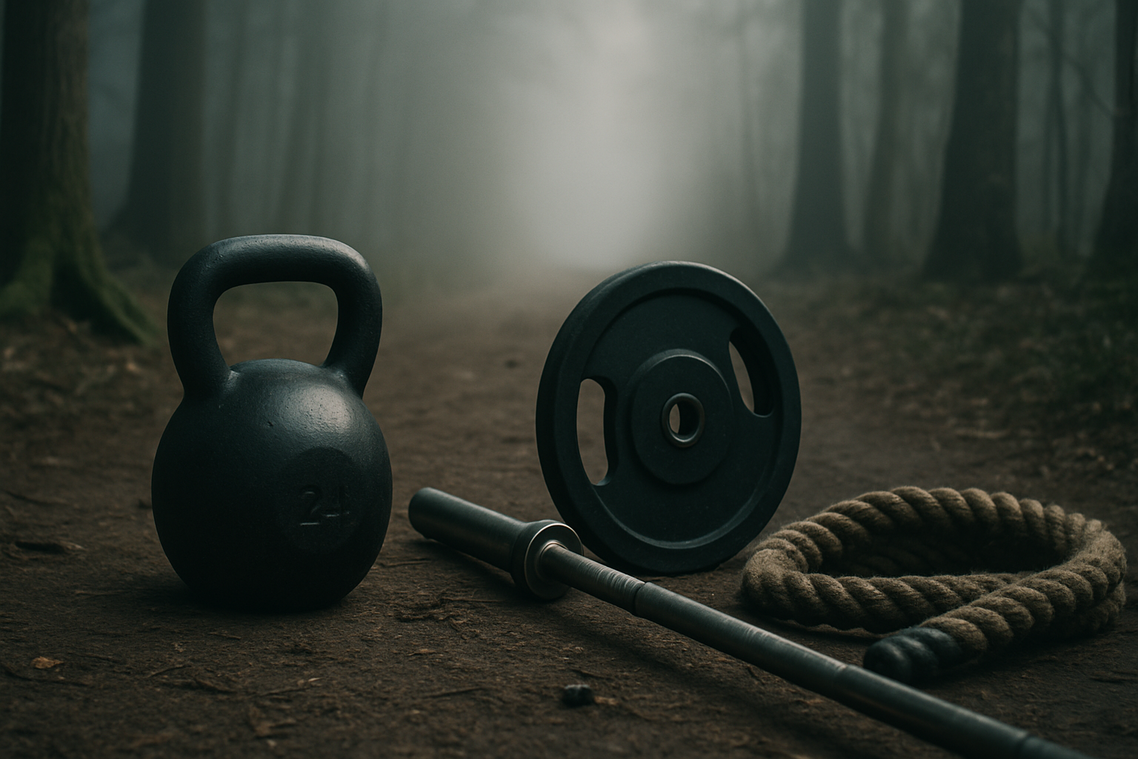
Before chasing advanced workouts or flashy training trends, it’s worth mastering the fundamental movement patterns that shape nearly every physical task you perform. Some argue isolation exercises are enough. But if your goal is real-world strength, durability, and efficiency, these seven patterns form the base.
The Squat (60 words)
The squat builds lower body strength and mobility while reinforcing safe hip mechanics. Think hips descending back and down, chest up, spine neutral (not rounded like you’re checking your phone). It mirrors sitting into a chair. When done well, squats strengthen quads, glutes, and core together—improving everything from climbing stairs to standing confidently.
The Hinge (60 words)
The hinge targets the posterior chain—the glutes and hamstrings that protect your lower back. Instead of bending at the waist, you push hips backward with minimal knee bend, keeping your spine neutral. Picture picking up a heavy box correctly. Critics say deadlifts are risky; poor form is risky. Proper hinging reduces injury risk and builds resilient power.
The Lunge (60 words)
Lunges train single-leg stability, balance, and coordination. Step forward or backward, lowering hips until both knees reach roughly 90 degrees. It resembles tying a shoe or standing up from the floor. Because life rarely happens evenly on two feet, lunges expose imbalances. What’s next? Add tempo or light weights to challenge stability further.
The Push (50 words)
Push movements develop chest, shoulders, and triceps. Horizontal pushes (like push-ups) and vertical pushes (like overhead presses) strengthen your ability to move objects away from you. Some believe machines are safer. Yet controlled bodyweight pushes often build better joint stability and coordination across multiple muscle groups.
The Pull (50 words)
Pulling patterns—rows (horizontal) and pull-ups (vertical)—build the back and biceps while supporting posture. In a desk-bound world, strong pulling muscles counteract rounded shoulders. If pushing is the showy superhero, pulling is the quiet one preventing injury behind the scenes (the Batman of your upper body).
The Carry (60 words)
Carries improve grip strength, core stability, and total-body endurance. The farmer’s carry—holding heavy weights at your sides while walking—is deceptively simple. It mimics carrying groceries or luggage. Some overlook carries as “too basic.” Yet loaded walking challenges posture, breathing, and resilience simultaneously. Pro tip: maintain tall posture and steady breathing to maximize core activation.
Gait (Walk/Run/Sprint) (60 words)
Gait—walking, running, sprinting—is the most fundamental of all. Efficient movement depends on posture, controlled foot strike, and rhythmic arm swing. Poor mechanics waste energy and increase injury risk. Before adding mileage, assess alignment and cadence. What’s next? Consider filming your stride or working drills to refine efficiency over distance.
If you’re unsure how to practice these safely, review this beginners guide to strength training with proper form: https://zydaisis.com/beginners-guide-to-strength-training-with-proper-form/.
Movement theory means little until you see it in your sink full of dishes. When you hinge to load the dishwasher, you’re practicing the same hip pattern used in a deadlift. When you squat to grab a toddler or a laundry basket, that’s training in disguise. Research shows frequent low-load movement snacks improve blood glucose and reduce stiffness compared to prolonged sitting (DiPietro et al., 2019). In other words, small reps add up.
Try a 5-Minute Movement Break: 10 air squats, 10 glute bridges, and a 30-second plank. Rotate through twice. These reinforce fundamental movement patterns without equipment.
Next, string squats, push-ups, and reverse lunges into a continuous circuit. Studies on metabolic conditioning report improved VO2 max and insulin sensitivity in short, high-intensity formats (ACSM, 2022).
Finally, apply progressive overload: add reps, slow tempo, or increase range of motion. Gradual challenge drives adaptation (the body loves a reason to change).
Neglect your foundation and your body keeps the receipt.
Poor movement patterns often show up as non-specific lower back pain, stubborn “text neck,” and nagging knee instability. Over time, a weak hinge or unstable squat triggers a compensation cascade: your lower back or hips overwork, inviting overuse injuries. However, rebuilding fundamental movement patterns changes the game. You move with less pain, unlock strength gains, and break performance plateaus in fat loss or endurance. In other words, better mechanics mean better results. If you’re serious about progress, start with the basics and explore our foundation guide. Future workouts will thank you.
Reclaim Your Movement, Rebuild Your Body
You now understand the seven essential movements that shape lifelong strength and mobility. Yet modern life—chairs, screens, long commutes—pulls us away from these natural rhythms. (No one evolved to hunch over a laptop.)
The fix isn’t complicated. Consistent practice of the fundamental movement patterns restores balance, builds resilience, and reduces preventable pain. Start simple and stay consistent.
Pro tip: film one set to check alignment and control.
Choose one pattern to focus on this week. Start with your bodyweight. Pay attention to how you move. Your body will thank you for years to come.
Build Strength That Actually Lasts
You came here to better understand how to train smarter, move better, and build a body that performs as good as it looks. Now you know that real progress starts with mastering fundamental movement patterns, dialing in your metabolic conditioning, and supporting it all with intentional daily health habits.
The truth is, most people stay stuck because they chase random workouts instead of fixing the foundation. Poor movement, inconsistent conditioning, and scattered routines lead to plateaus, burnout, and frustration. You don’t need more complexity — you need structure that works.
Start applying what you’ve learned today. Focus on movement quality. Train with purpose. Optimize your recovery. When you align these pieces, performance and physique improvements follow.
If you’re tired of spinning your wheels and want a clear, proven system that simplifies your training and accelerates results, take the next step now. Join thousands who trust our expert-backed fitness breakdowns and daily optimization strategies to train smarter and recover better. Start today and turn your effort into measurable progress.
 Torian Eldricson is the kind of writer who genuinely cannot publish something without checking it twice. Maybe three times. They came to zydaisis fitness fundamentals through years of hands-on work rather than theory, which means the things they writes about — Zydaisis Fitness Fundamentals, Daily Health Optimization Tips, Holistic Wellness Strategies, among other areas — are things they has actually tested, questioned, and revised opinions on more than once.