
Starting out in fitness can feel overwhelming, right? I get it. There are so many methods out there, and it’s hard to know where to begin.
You might wonder, “Are these fitness techniques for beginners really for me?” Yes, they are. You don’t need to be a seasoned athlete to start feeling better and stronger.
I’ve been there (confused) and trying to figure out which path to take. But here’s the thing: you don’t need to sift through a mountain of information to get started. You’re in the right place.
My approach is about simplifying the chaos, focusing on what’s important for beginners.
I’ll share fitness tips backed by experience. You’ll find practical takeaways, not just theories. Trust me, when you see results, it all clicks.
Curious about how to use these techniques effectively? You’ll learn how to build a solid foundation, avoid common pitfalls, and make real progress. Let’s cut through the noise together.
The First Step is Mental: Building a Foundation for Success
So, you’re a beginner. Big deal. That doesn’t mean you’re ineffective.
It means you’re smart enough to start with a solid base. Let’s get one thing straight: avoiding injury and burnout is key. Have you ever thought about “momentum moments”?
These tiny victories build confidence and create a positive feedback loop.
They aren’t about hitting the gym for an hour on the first day. It’s more about those small wins. Think 10-minute walks or 5 push-ups.
Now, let’s shift gears. Forget about aesthetics for a minute. Focus on feeling stronger.
More energy, better sleep. These are the real victories. They’re way more motivating, especially for beginners.
Trust me, when you start feeling the difference, you’ll stick with it.
And hey, you’re not alone. We all start somewhere. Here’s a pro tip: keep your expectations realistic and celebrate every small win.
You’re building a foundation for success. Want more tips? Check out the Fundamentals Personal Fitness Plan.
It’s packed with fitness techniques for beginners that can set you on the right path. Remember, this is about building momentum, not miracles. You’ve got this.
Starter Pack for Fitness: Simple, Solid Movements
Getting into fitness doesn’t have to be complicated. If you’re a beginner, let’s dive into three core movements that lay the groundwork for lifelong health. Think of these as your “starter pack” for fitness techniques for beginners.
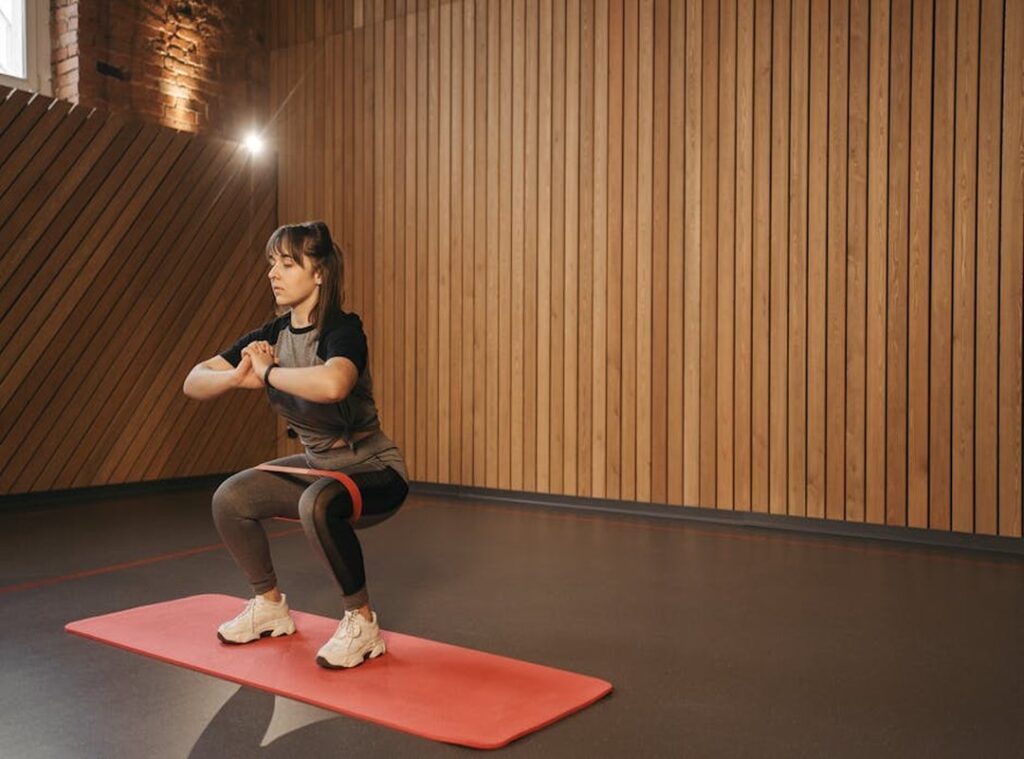
Bodyweight Strength. You don’t need to hit the gym and lift a bunch of weights to start building muscle. Bodyweight exercises are underrated but they pack a punch. First up, bodyweight squats: stand with feet shoulder-width apart, lower your hips back as if sitting in a chair, and keep your chest up. Aim for 3 sets of 8-10 reps. Then, try wall push-ups. Stand about arm’s length from a wall, place your hands on it at shoulder height, and push your body away, maintaining a straight line from head to heels. Finally, the plank: lie face down, lift your body with forearms and toes, keeping your core tight like a rock. These exercises are the foundation (trust me, you’ll feel the burn). For more on building muscle without hitting the weights, check out these beginner weight exercises.
Low-Impact Cardio. What does low-impact mean? It’s gentle on your joints, making it perfect for beginners. Think brisk walking or cycling. Or, if you’re staying in, try a home circuit like marching in place or step-touches. Pro tip: Consistency trumps intensity. You’re better off doing 20-30 minutes, three times a week, than burning out from overdoing it.
Foundational Flexibility. Stretching is important. It prevents soreness and improves your movement. Start with a hamstring stretch: sit with one leg extended, reach for your toes, and hold for 30 seconds. Next, try a quad stretch. Stand, pull one foot towards your butt, and hold. Don’t bounce. Finally, open up your chest by clasping your hands behind your back and lifting. Flexibility isn’t just about touching your toes. It’s about moving through life with ease.
These techniques are simple, but they’re solid in building a strong fitness foundation. You don’t need fancy equipment or a gym membership. Just start where you are, and build from there.
Beyond the Workout: Fueling Your Body for Lasting Wellness
Let’s talk about the secret weapon in making fitness feel easier and more rewarding. It’s not a fancy gadget or a magic pill. It’s fueling your body right.
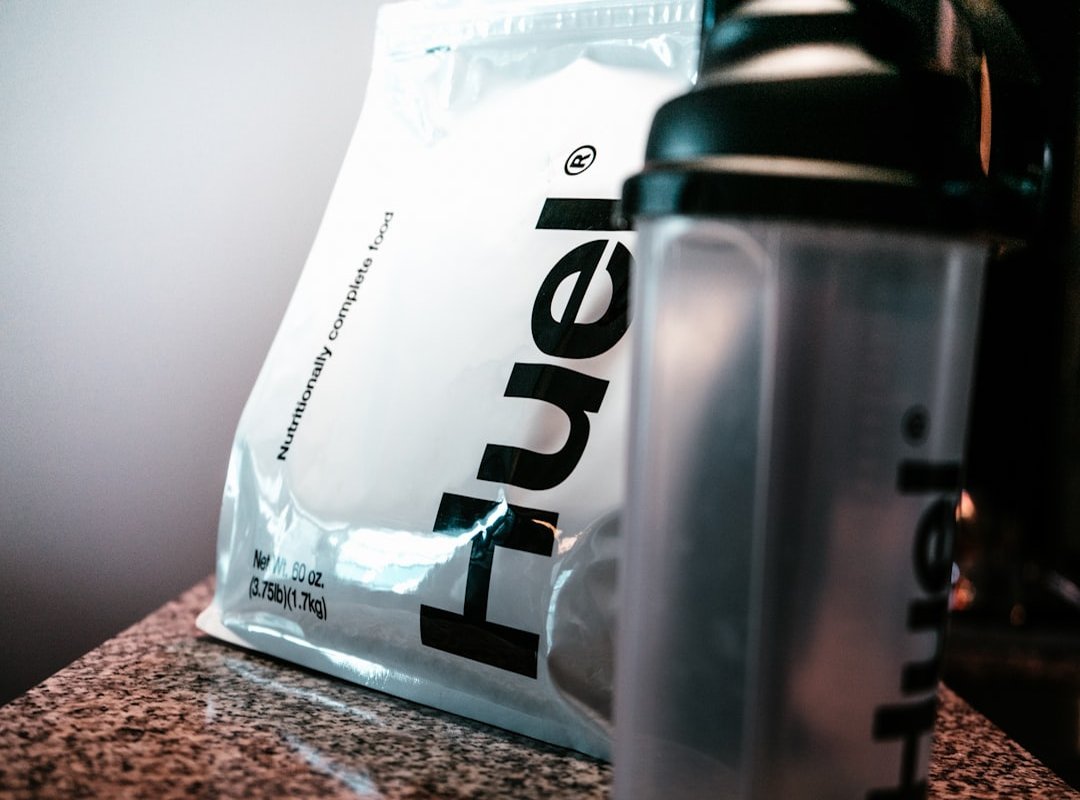
Nutrition is where the magic happens. Forget complex diet rules. You don’t need them (trust me).
Simply add a vegetable to every meal. Swap those sugary drinks for water. It’s about fueling, not restricting.
Feel like a diet rule rebel yet?
Now, sleep. It’s not just about avoiding the dreaded dark circles. It’s when your muscles repair and grow.
Ever wonder why you feel sluggish during a workout or crave sugar like there’s no tomorrow? Poor sleep is usually to blame. Treat yourself to a good night’s rest and watch how your energy levels soar.
You’ll thank me later.
Hydration. It’s key, and not just because your body is mostly water. Imagine your body as a car.
Without enough fuel, it sputters. Water is your body’s fuel. Carrying a water bottle daily is an easy habit to start.
You’ll notice the difference in your energy and performance almost immediately.
These aren’t just random tips; they’re simple, effective fitness techniques for beginners. They make all the difference in the long run. If you’re looking to maximize workouts core fitness basics, these are your stepping stones.
It’s all about adding positive habits to your routine, not a list of don’ts. You’re building a lifestyle that supports wellness. Sounds doable, right?
Let’s get started and ditch the overwhelm.
Ready for More? Metabolic Conditioning Basics
Feeling good with the basics and itching to spice things up? Let’s talk about metabolic conditioning. It’s not as daunting as it sounds.
Essentially, it’s about short bursts of activity to kick your metabolism into high gear and improve your fitness in less time.
Think about it like this: you’re squeezing the most juice out of each workout minute. And who doesn’t want more bang for their buck? The best part is, you don’t need to be a seasoned athlete to jump in.
Let’s dive into the 30/60 Protocol.
Start by doing 30 seconds of an activity like jumping jacks or high knees. Then, take it down a notch with 60 seconds of rest or slow walking. Repeat this cycle 5 to 8 times.
It’s simple, right? And it can be adjusted to any fitness level. That’s what makes it one of the best fitness techniques for beginners.
Why bother with this? Well, it’s time-fast and improves heart health. Your heart will thank you.
Plus, it’s not about how fast you go but how much effort you put in. So, don’t stress over speed.
Pro tip: Listen to your body. If you’re feeling fatigued, take an extra breather. Fitness should be challenging but not punishing.
Ready to give it a go? Your future self will thank you.
Kickstart Your Fitness Journey Today
Ever felt buried under a mountain of fitness options? Yeah, me too. It’s a jungle out there.
But here’s the truth: you don’t need to do it all. Start small, aim for progress. That’s the secret.
You’ve got a plan now. A real one covering movement, mindset, and wellness. So what are you waiting for?
Pick one method from this guide. Go for a 10-minute walk, knock out some squats, or just drink an extra glass of water. That’s your first win.
Trust me, these fitness techniques for beginners will get you moving. Start today. Feel better tomorrow.
 Sharon Salinaselino has opinions about zydaisis fitness fundamentals. Informed ones, backed by real experience — but opinions nonetheless, and they doesn't try to disguise them as neutral observation. They thinks a lot of what gets written about Zydaisis Fitness Fundamentals, Pro Breakdowns, Momentum Moments is either too cautious to be useful or too confident to be credible, and they's work tends to sit deliberately in the space between those two failure modes.
Reading Sharon's pieces, you get the sense of someone who has thought about this stuff seriously and arrived at actual conclusions — not just collected a range of perspectives and declined to pick one. That can be uncomfortable when they lands on something you disagree with. It's also why the writing is worth engaging with. Sharon isn't interested in telling people what they want to hear. They is interested in telling them what they actually thinks, with enough reasoning behind it that you can push back if you want to. That kind of intellectual honesty is rarer than it should be.
What Sharon is best at is the moment when a familiar topic reveals something unexpected — when the conventional wisdom turns out to be slightly off, or when a small shift in framing changes everything. They finds those moments consistently, which is why they's work tends to generate real discussion rather than just passive agreement.
Sharon Salinaselino has opinions about zydaisis fitness fundamentals. Informed ones, backed by real experience — but opinions nonetheless, and they doesn't try to disguise them as neutral observation. They thinks a lot of what gets written about Zydaisis Fitness Fundamentals, Pro Breakdowns, Momentum Moments is either too cautious to be useful or too confident to be credible, and they's work tends to sit deliberately in the space between those two failure modes.
Reading Sharon's pieces, you get the sense of someone who has thought about this stuff seriously and arrived at actual conclusions — not just collected a range of perspectives and declined to pick one. That can be uncomfortable when they lands on something you disagree with. It's also why the writing is worth engaging with. Sharon isn't interested in telling people what they want to hear. They is interested in telling them what they actually thinks, with enough reasoning behind it that you can push back if you want to. That kind of intellectual honesty is rarer than it should be.
What Sharon is best at is the moment when a familiar topic reveals something unexpected — when the conventional wisdom turns out to be slightly off, or when a small shift in framing changes everything. They finds those moments consistently, which is why they's work tends to generate real discussion rather than just passive agreement.