
Feeling stuck in your training? You’re not alone. Many of us push harder, only to hit a plateau or feel constantly sore.
The problem? Most recovery advice is scattered and lacks a cohesive system. I’ve spent years applying complete wellness strategies to boost athletic performance.
Trust me, it’s the missing piece. This guide delivers the professional recovery techniques top performers use to accelerate results and prevent injuries. You’ll get a complete system for integrating recovery into your training, transforming it from an afterthought into your secret weapon.
Ready to break through barriers? Let’s turn recovery into your competitive edge.
Beyond Foam Rolling: What ‘Expert Recovery’ Actually Means
Recovery isn’t just rest or a quick massage gun session. It’s a proactive, integrated part of your training cycle. Think about it: without recovery, training is just accumulated stress.
Ever tried building a house with no blueprint? That’s what random acts of recovery (like an occasional ice bath) feel like. Instead, aim for a systematic approach.
This is your skyscraper blueprint.
Real growth happens during recovery. It’s where adaptation occurs. It’s important for stacking those successful training sessions week after week.
Want to build “momentum moments” in fitness? You need strategic recovery. It’s not just a nice-to-have; it’s a must.
Professional recovery techniques split into two categories. First, the foundational pillars (non-negotiables). Second, supplemental modalities (strategic tools).
Both are key. They help you recover properly, allowing you to progress consistently.
But there’s more. Mindset plays a huge role in recovery. Just like in pro sports, where mental toughness is key, your mindset can make or break your recovery.
Curious about this? Dive into the Role Of Mindset Pro Sports to explore further.
In the end, expert recovery is the difference between plateauing and thriving. So, what’s your blueprint?
The Foundation: Recovery Reimagined
You can’t skimp on the basics. Let’s talk about the non-negotiable pillars of recovery, the 80% that drives real results. Forget fancy gadgets and apps; they’re just fluff if you don’t master these.
First up, sleep. It’s not just about getting 8 hours. Dive into sleep architecture.
REM sleep is when your brain processes memories. Deep sleep? That’s when your body repairs itself.
Hormones like HGH and cortisol regulate here. Want better sleep? Keep a consistent wake-up time.
Make your room a cave (cool and dark). Power down with a pre-bed routine. Your sleep quality will thank you.
Nutrition is next. Post-workout nutrition is key. Ever heard of the “anabolic window”?
It’s when your body is primed to absorb nutrients. Replenish glycogen and provide protein for muscle synthesis. A whey protein shake with fast-digesting carbs is perfect.
Or consider anti-inflammatory foods like turmeric and fatty fish. They help reduce soreness and speed up recovery.
Don’t forget hydration. It’s more than chugging water. Electrolytes matter.
Sodium, potassium, and magnesium keep muscles functioning and cramp-free. How much should you drink? Base it on your activity level.
A simple guideline is half your body weight in ounces. Check your hydration status by looking at your urine color. Light yellow means you’re on track.
These are your professional recovery techniques. They might not be flashy, but they work. For more on this, check out recovery.
Think about it: without these fundamentals, no supplement or tech can save you. Focus on getting these right. Sleep, nutrition, hydration.
That’s your foundation. The rest is just noise. Embrace it, and watch your performance soar.
Active Recovery & Mobility: Fueling Your Next Session
Active recovery isn’t just a buzzword. It’s a game changer. It’s about low-intensity activities that boost blood flow, clear out metabolic waste (like pesky lactate), and ease soreness without more stress.
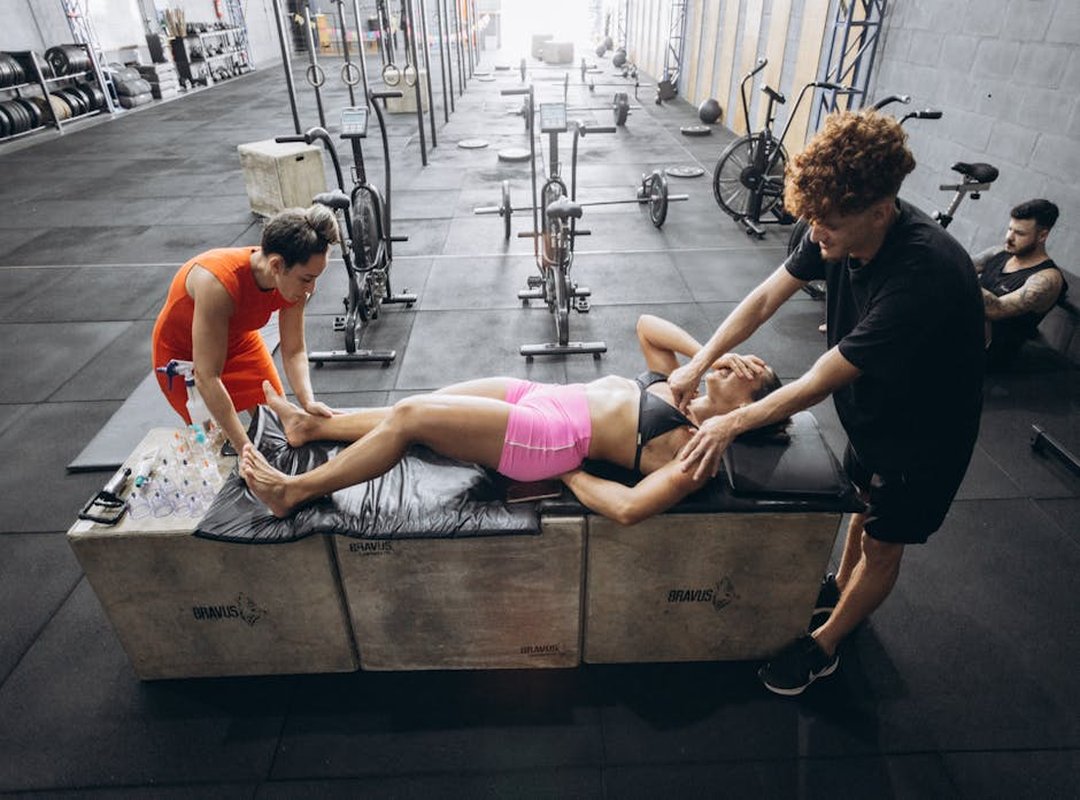
Sounds better than lying on the couch, right?
Why is it more effective than complete rest? Well, it keeps your system primed for tough sessions, like those metabolic conditioning drills you dread (or love). It’s like greasing the wheels for your next workout.
Here’s how to make it happen. Imagine a 20-30 minute session where you start with a simple 15-minute bike spin or brisk walk. Nothing fancy, no need for spandex (unless that’s your thing).
Then, follow up with a 10-minute mobility flow hitting your hips, shoulders, and thoracic spine. It’s all about feeling better after. Not drained.
Let me give you three key mobility movements. There’s the Cat-Cow (perfect) for spinal flexibility. Then, the World’s Greatest Stretch (it’s really called that) to open up everything.
And don’t skip the 90/90 Hip Switches. They work wonders on your hip mobility, reducing injury risk in the process.
You want professional recovery techniques that are practical. And trust me, the goal here is simple: leave the session more energized. Need more info?
Check out the science pro level nutrition plans for a full package.
Perhaps you’re already thinking, does this fit into my routine? Yes, it does. You just need to give it a shot and feel the difference for yourself.
Isn’t that what we’re all after. Getting better with less pain?
Advanced Modalities: Turbocharge Your Recovery
When we talk about professional recovery techniques, the final 10% is all about those extra tools you add once the basics are nailed down. You’ve stretched, hydrated, and cooled down (like a pro). Now to the fun stuff.
First up, Contrast Therapy. It’s not just dipping in and out of hot and cold water for kicks. There’s some serious science here.
By alternating between hot and cold, you’re causing your blood vessels to constrict and dilate. This acts like a pump, moving blood and reducing inflammation. Start simple: 3 minutes in a cold shower or plunge, followed by 3 minutes in a hot shower.
Repeat it three times. It’s invigorating, and you’ll feel a difference.
Then there’s Percussion Therapy. Those massage guns? Not just for show.
They help chill out your nervous system after a workout. Here’s a tip: hover the head over your muscle belly. Don’t jab at bones or joints.
Spend about 30 to 90 seconds per muscle group. It feels fantastic and helps those tense spots relax.
Now, let’s get sweaty with Heat Therapy. Saunas are like mini vacations. Sitting in a sauna increases blood flow, reduces muscle stiffness, and releases heat shock proteins that protect your cells from stress.
Post-workout, it’s a great way to unwind for about 15 to 20 minutes. Just don’t forget to hydrate beforehand. Water is key here.
Lastly, Compression Systems. Picture those pneumatic sleeves as a passive recovery buddy. They boost lymphatic drainage and circulation, clearing out metabolic waste while you rest.
You don’t even have to move. It’s like having a mini spa session on your couch.
So, these tools? They’re the secret weapons in your recovery arsenal. Use them wisely after you’ve got the basics covered, and you’ll notice the difference.
Recovery isn’t just about feeling better. It’s about performing better next time.
Build Your Momentum Now
You’ve got the blueprint, so why feel stuck and sore any longer? Those random recovery acts? Forget them.
With these professional recovery techniques, you can prioritize the foundational pillars that truly matter. Why wouldn’t you start now?
This week, zero in on just one pillar. Sleep, nutrition, or hydration. Master it.
Track your energy and performance. Feel the difference? That’s how momentum starts.
Your system isn’t just about tools; it’s about plan. Ready to break the cycle? Dive into this plan today and watch how quickly things change.
Visit zydaisis.com to open up more tips and drills.
 Barbara Powellorins is the kind of writer who genuinely cannot publish something without checking it twice. Maybe three times. They came to daily health optimization tips through years of hands-on work rather than theory, which means the things they writes about — Daily Health Optimization Tips, Zydaisis Metabolic Conditioning Drills, Holistic Wellness Strategies, among other areas — are things they has actually tested, questioned, and revised opinions on more than once.
That shows in the work. Barbara's pieces tend to go a level deeper than most. Not in a way that becomes unreadable, but in a way that makes you realize you'd been missing something important. They has a habit of finding the detail that everybody else glosses over and making it the center of the story — which sounds simple, but takes a rare combination of curiosity and patience to pull off consistently. The writing never feels rushed. It feels like someone who sat with the subject long enough to actually understand it.
Outside of specific topics, what Barbara cares about most is whether the reader walks away with something useful. Not impressed. Not entertained. Useful. That's a harder bar to clear than it sounds, and they clears it more often than not — which is why readers tend to remember Barbara's articles long after they've forgotten the headline.
Barbara Powellorins is the kind of writer who genuinely cannot publish something without checking it twice. Maybe three times. They came to daily health optimization tips through years of hands-on work rather than theory, which means the things they writes about — Daily Health Optimization Tips, Zydaisis Metabolic Conditioning Drills, Holistic Wellness Strategies, among other areas — are things they has actually tested, questioned, and revised opinions on more than once.
That shows in the work. Barbara's pieces tend to go a level deeper than most. Not in a way that becomes unreadable, but in a way that makes you realize you'd been missing something important. They has a habit of finding the detail that everybody else glosses over and making it the center of the story — which sounds simple, but takes a rare combination of curiosity and patience to pull off consistently. The writing never feels rushed. It feels like someone who sat with the subject long enough to actually understand it.
Outside of specific topics, what Barbara cares about most is whether the reader walks away with something useful. Not impressed. Not entertained. Useful. That's a harder bar to clear than it sounds, and they clears it more often than not — which is why readers tend to remember Barbara's articles long after they've forgotten the headline.