
Imagine a soccer player mid-strike, the ball just about to leave their foot. Illustration: a2dxjngls8w= soccer player. It’s a moment of pure power and precision.
What unseen physical preparation and biomechanics create this explosive, picture-perfect moment?
This article deconstructs the real-world conditioning, power mechanics, and training that make such athletic feats possible.
You’ll learn the core fitness pillars that separate amateur players from the professionals depicted in dynamic art.
Understanding this science is the first step to optimizing your own performance on and off the field.
The Anatomy of Explosive Power: Deconstructing the Kick
When you see a powerful soccer kick, it’s like watching a perfectly synchronized dance. But it’s not just about the leg. The core, glutes, quads, and hamstrings all play a crucial role.
The core is your powerhouse. It stabilizes the body, allowing for maximum force transfer. Without a strong core, your kick is weak and uncontrolled.
Glutes and quads are the main drivers, and they generate the bulk of the force. The hamstrings, on the other hand, act as stabilizers, ensuring the knee doesn’t give out under the pressure.
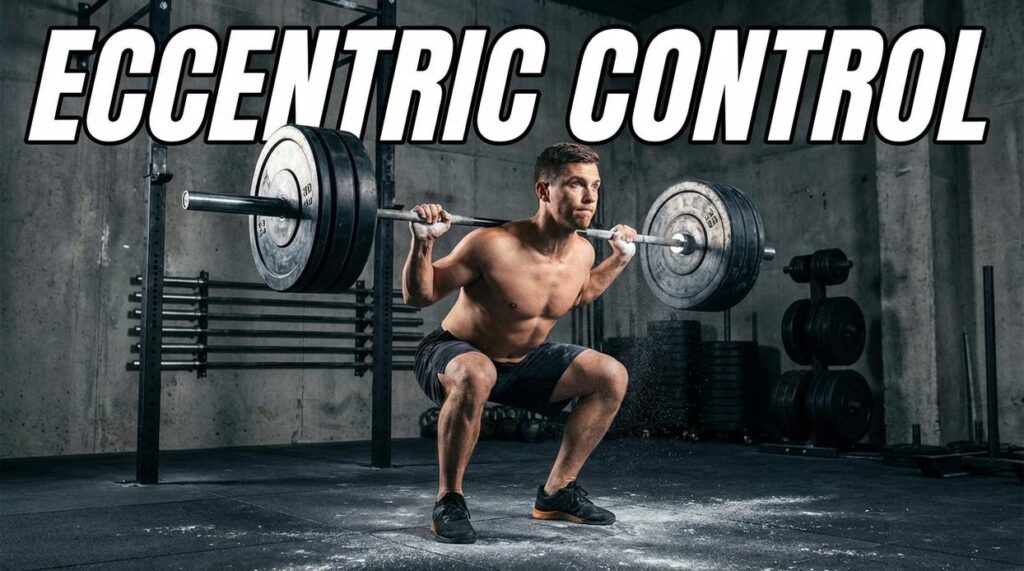
Triple extension—the simultaneous extension of the ankle, knee, and hip—is the key to explosive power. It’s the foundation of any high-impact athletic movement. Think of it as the ignition that sets off the chain reaction.
Rotational power from the torso is where the magic happens. This twist translates directly into ball speed and accuracy. Just watch dibujo:a2dxjngls8w= messi in action.
His ability to rotate his body and whip his leg around is what makes his kicks so devastating.
Don’t forget the smaller stabilizing muscles. They might not be as flashy, but they’re essential. These muscles keep your joints in place, preventing injuries and ensuring precision during those high-force actions.
Understanding this kinetic chain can help you improve your own kicks. Focus on each part, and you’ll see a noticeable difference.
The 90-Minute Motor: Metabolic Conditioning Secrets
You see that one moment in an illustration—dibujo:a2dxjngls8w= messi—where a player looks like they’re flying. But the reality is, sustaining that kind of high-intensity performance for a full 90-minute match is a whole different ball game.
Let’s talk about the two main energy systems: aerobic and anaerobic. Aerobic is all about endurance. It’s what keeps you going for long periods.
Anaerobic, on the other hand, is for those short, explosive sprints. Elite soccer players need to train both to excel.
Metabolic conditioning in soccer means training your body to handle repeated high-intensity sprints with very short recovery periods. It’s not just about being able to run; it’s about recovering almost instantly from dozens of explosive efforts during a game.
Here’s a simple example of a conditioning drill: High-Intensity Interval Training (HIIT) sprints. Sprint the length of the field, jog the width, and repeat for 10 minutes. This drill pushes your anaerobic system while also building your aerobic capacity.
| Energy System | Description |
|---|---|
| Aerobic | Endurance-based, sustained effort |
| Anaerobic | Short, explosive sprints |
Elite endurance isn’t just about slow jogging. It’s about the ability to recover almost instantly. That’s what sets the best apart.
Building Game-Changing Agility: Drills to Replicate On-Field Dominance
You’ve seen it in the dibujo:a2dxjngls8w= messi, and incredible balance and change-of-direction ability. It’s not just natural talent.
Specific, repeatable training methods can get you there.
Cone weaves are a must, and they help with tight control. Think about evading a defender.
You need that quick, precise movement.
Ladder drills are next, and these focus on footwork and coordination. Imagine accelerating into open space.
Your feet need to move fast and in sync.
Box jumps for explosive power. This is key for reacting to a loose ball. The jump trains your muscles to generate force quickly.
Proper form is crucial, and bad form can lead to injuries. Plus, it limits the neuromuscular benefits.
Always start slow and perfect the technique.
Progress these drills over time, and master the basic movement first. Then, increase speed, complexity, and reaction time.
Some might argue that agility drills are overrated. They say game intelligence and strategy matter more. Sure, those are important.
But without the physical skills, all the strategy in the world won’t save you.
Start with the basics, and move on as you get comfortable. Consistency is key.
And remember, test is where you can find more detailed breakdowns and tips.
The Unseen Foundation: Holistic Wellness for Peak Performance

When you see an athlete perform at their peak, it’s easy to think it’s all about the moment. But the truth is, that physical power is supported by a disciplined, 24/7 approach to health.
Think about nutrition, and pre-game, athletes fuel up with complex carbohydrates. Imagine a bowl of oatmeal or a plate of whole-grain pasta.
These foods give a steady release of energy. Post-game, it’s all about protein and hydration. Picture a smoothie packed with protein powder and fresh fruits.
It helps repair muscles and replenish fluids.
Sleep is CRUCIAL, and it’s not just about rest. During sleep, your body releases HGH, which is vital for muscle repair.
You also regulate hormones and boost cognitive function. This means better in-game decision-making. Can you imagine how much sharper you’d feel if you got those extra hours of deep, restful sleep?
Active recovery techniques are key too. Foam rolling, for instance, can feel like a deep massage. It helps reduce muscle soreness.
Dynamic stretching, like leg swings or arm circles, keeps the blood flowing. And low-intensity cardio, such as a light jog, can flush out toxins and get you ready for the next session.
The mental aspect is just as important, and visualization and mindfulness are powerful tools. Picture yourself making that perfect move, feeling the ball in your hands, or hearing the crowd cheer.
It translates physical training into consistent game-day success.
Consistency in these off-field areas—nutrition, sleep, recovery, and mental prep—is what sustains a long and successful athletic career. It’s not just about one moment of brilliance. It’s about the DIBUJO:A2DXJNGLS8W= messi effort day in and day out.
From Static Image to Dynamic Action: Your Next Move
dibujo:a2dxjngls8w= messi
Circle back to the initial image of the illustrated soccer player. Now, see the layers of hard work and science behind the art.
Achieving that level of athleticism is not a mystery. It’s a product of dedicated, intelligent work on power, conditioning, agility, and recovery.
True athletic performance is built methodically on a foundation of holistic fitness fundamentals.
Choose one specific drill from this article, such as cone weaves or a set of box jumps, and incorporate it into your next training session.
Turn artistic inspiration into tangible, personal physical improvement.
 Torian Eldricson is the kind of writer who genuinely cannot publish something without checking it twice. Maybe three times. They came to zydaisis fitness fundamentals through years of hands-on work rather than theory, which means the things they writes about — Zydaisis Fitness Fundamentals, Daily Health Optimization Tips, Holistic Wellness Strategies, among other areas — are things they has actually tested, questioned, and revised opinions on more than once.