
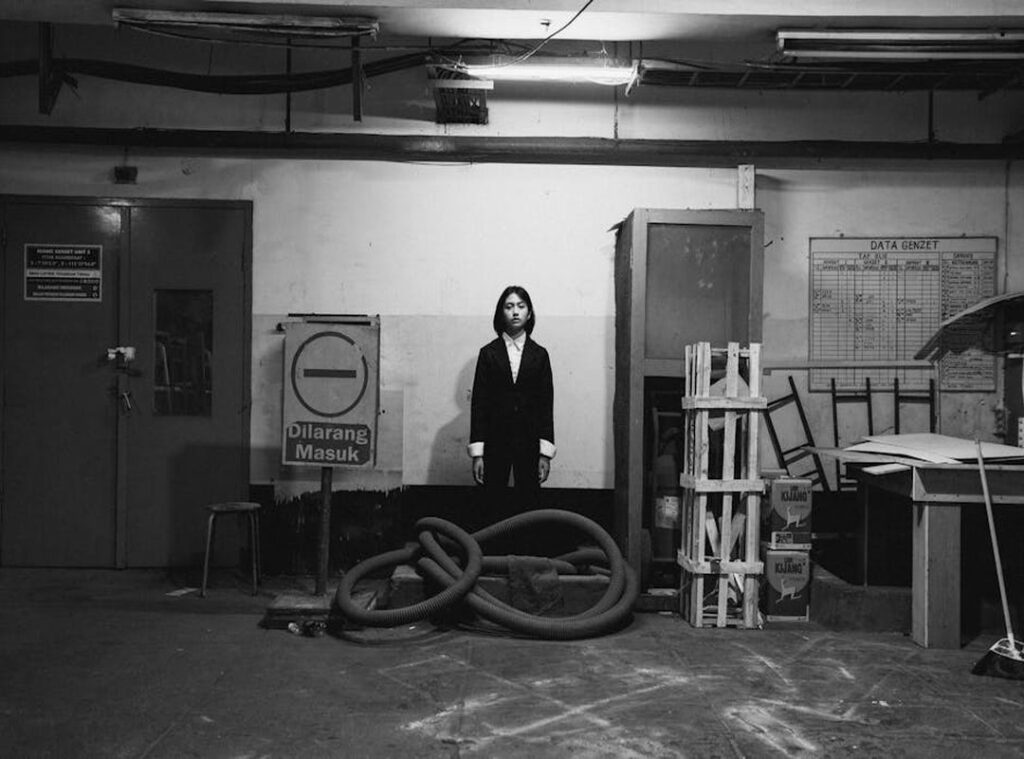
I’ve always been fascinated by the gambar tangan masuk wad. It’s a powerful image, one that stirs up a lot of questions. What does it mean?
Why is it so significant in different contexts? You might be wondering the same.
This imagery isn’t just about a hand entering a space. It’s deeper than that. It touches on healthcare, spiritual practices, and even art.
Each context adds a layer of meaning.
Let’s dive into what this symbol really means. And why it matters.
Understanding the Symbolism of the Hand
The hand is a powerful symbol across the globe. It’s used in art, rituals, and everyday gestures to convey deep meanings.
In many cultures, the hand represents strength and power. Think about it—when you want to show someone you mean business, what do you do? You raise your hand, right?
Cultural and Historical Context
Hands have been a universal symbol for thousands of years. In ancient Egypt, the Hand of Ra was a protective symbol. In Hinduism, the Hamsa hand offers protection and good fortune.
Even in modern times, the gambar tangan masuk wad in Indonesian culture symbolizes unity and support.
Spiritual and Religious Meanings
Religions also use the hand in various ways. In Christianity, the hand is often raised in blessing. In Buddhism, the mudras (hand gestures) are used in meditation and rituals.
These gestures are believed to channel spiritual energy and aid in healing.
Why do hands hold such significance? They’re our primary tools for interacting with the world. We use them to create, to heal, and to protect.
This makes them a natural symbol for both physical and spiritual actions.
Understanding these symbols can give us a deeper appreciation of cultural and religious practices. It’s not just about the hand; it’s about the stories and beliefs behind it.
The Significance of the ‘Ward’ in Different Contexts
Wards play a crucial role in various settings, each with its unique importance and perception.
Medical Wards
In hospitals, medical wards are essential for patient care. They are specialized units where patients receive treatment and monitoring.
For patients, a medical ward can be a place of both hope and anxiety. It’s where they expect to get better, but it’s also where they face their health challenges head-on.
Staff see these wards as critical hubs for delivering care. They work tirelessly to ensure patients are comfortable and well-attended.
Research shows that well-organized and efficiently run medical wards lead to better patient outcomes. A study by the Journal of Hospital Medicine found that effective communication and teamwork in medical wards significantly reduce patient readmissions and improve overall satisfaction.
Spiritual and Ritual Wards
In spiritual and ritual contexts, a ward takes on a different meaning. Here, it refers to a protective circle or sacred space.
These spaces are used in various traditions to create a barrier against negative energies or to focus and amplify positive ones.
For example, in Wiccan practices, a gambar tangan masuk wad is often cast to protect the circle and its participants. This ritual helps in creating a safe and sacred environment for ceremonies and rituals.
Understanding the concept of a ward in these contexts can provide deeper insights into how people seek protection and sanctity in their spiritual lives.
The Hand Image Entering a Medical Ward
When you see an image of a hand entering a medical ward, it’s more than just a picture. It symbolizes care, healing, and support. This imagery can be incredibly powerful in a healthcare setting.
Think about it. A hand reaching out can make a patient feel less alone. It’s a simple gesture that speaks volumes.
(And let’s be honest, sometimes the little things matter the most.)
In practical terms, using this imagery in hospitals and clinics can create a more welcoming and supportive environment. Patients often feel anxious and vulnerable. A visual reminder of care and support can help ease those feelings.
- Welcoming Decor: Hospitals can use murals or posters with the gambar tangan masuk wad to greet patients.
- Staff Training: Encourage staff to use gestures of care, like a gentle touch, to connect with patients.
- Patient Materials: Include images of hands in brochures and informational pamphlets to convey a sense of support.
These small changes can have a big impact. They remind patients that they are not just a number but a person in need of care. And for those looking to improve their overall well-being, incorporating small, daily habits can also make a difference.
For example, simple daily routines can boost energy and focus, making the recovery process a bit easier.
By combining these symbolic and practical elements, we can create a more compassionate and supportive healthcare experience.
The Hand Image in Spiritual and Ritual Practices

The hand image is a powerful symbol in many spiritual and ritual practices. It’s used in casting spells, performing blessings, and creating protective barriers.
Think about it. When you see a hand raised in a ritual, what do you feel? Often, it’s a sense of protection or guidance.
In some traditions, the hand represents divine intervention. It’s like a direct line to a higher power. This can be seen in the gambar tangan masuk wad, which symbolizes an offering or a plea for help.
Symbolically, the hand can also mean protection. Imagine a hand shielding you from harm. That’s the kind of energy people aim to harness in rituals.
Sometimes, the hand is used to guide. It’s as if the hand is pointing the way, leading you through a spiritual journey.
Understanding these deeper meanings can help you appreciate the hand’s role in various practices. Whether it’s for protection, guidance, or divine connection, the hand image is a versatile and meaningful symbol.
Embracing the Power of the Hand Image
gambar tangan masuk wad is a powerful symbol that represents care, healing, and connection. It embodies the idea of reaching out to offer support and comfort. Understanding this imagery can deepen our appreciation for its use in both practical and spiritual contexts.
In hospitals, it signifies the compassionate touch of healthcare providers. Spiritually, it can represent divine intervention or guidance. Reflect on how the hand image resonates in your own life and practices.
 Barbara Powellorins is the kind of writer who genuinely cannot publish something without checking it twice. Maybe three times. They came to daily health optimization tips through years of hands-on work rather than theory, which means the things they writes about — Daily Health Optimization Tips, Zydaisis Metabolic Conditioning Drills, Holistic Wellness Strategies, among other areas — are things they has actually tested, questioned, and revised opinions on more than once.
That shows in the work. Barbara's pieces tend to go a level deeper than most. Not in a way that becomes unreadable, but in a way that makes you realize you'd been missing something important. They has a habit of finding the detail that everybody else glosses over and making it the center of the story — which sounds simple, but takes a rare combination of curiosity and patience to pull off consistently. The writing never feels rushed. It feels like someone who sat with the subject long enough to actually understand it.
Outside of specific topics, what Barbara cares about most is whether the reader walks away with something useful. Not impressed. Not entertained. Useful. That's a harder bar to clear than it sounds, and they clears it more often than not — which is why readers tend to remember Barbara's articles long after they've forgotten the headline.
Barbara Powellorins is the kind of writer who genuinely cannot publish something without checking it twice. Maybe three times. They came to daily health optimization tips through years of hands-on work rather than theory, which means the things they writes about — Daily Health Optimization Tips, Zydaisis Metabolic Conditioning Drills, Holistic Wellness Strategies, among other areas — are things they has actually tested, questioned, and revised opinions on more than once.
That shows in the work. Barbara's pieces tend to go a level deeper than most. Not in a way that becomes unreadable, but in a way that makes you realize you'd been missing something important. They has a habit of finding the detail that everybody else glosses over and making it the center of the story — which sounds simple, but takes a rare combination of curiosity and patience to pull off consistently. The writing never feels rushed. It feels like someone who sat with the subject long enough to actually understand it.
Outside of specific topics, what Barbara cares about most is whether the reader walks away with something useful. Not impressed. Not entertained. Useful. That's a harder bar to clear than it sounds, and they clears it more often than not — which is why readers tend to remember Barbara's articles long after they've forgotten the headline.