
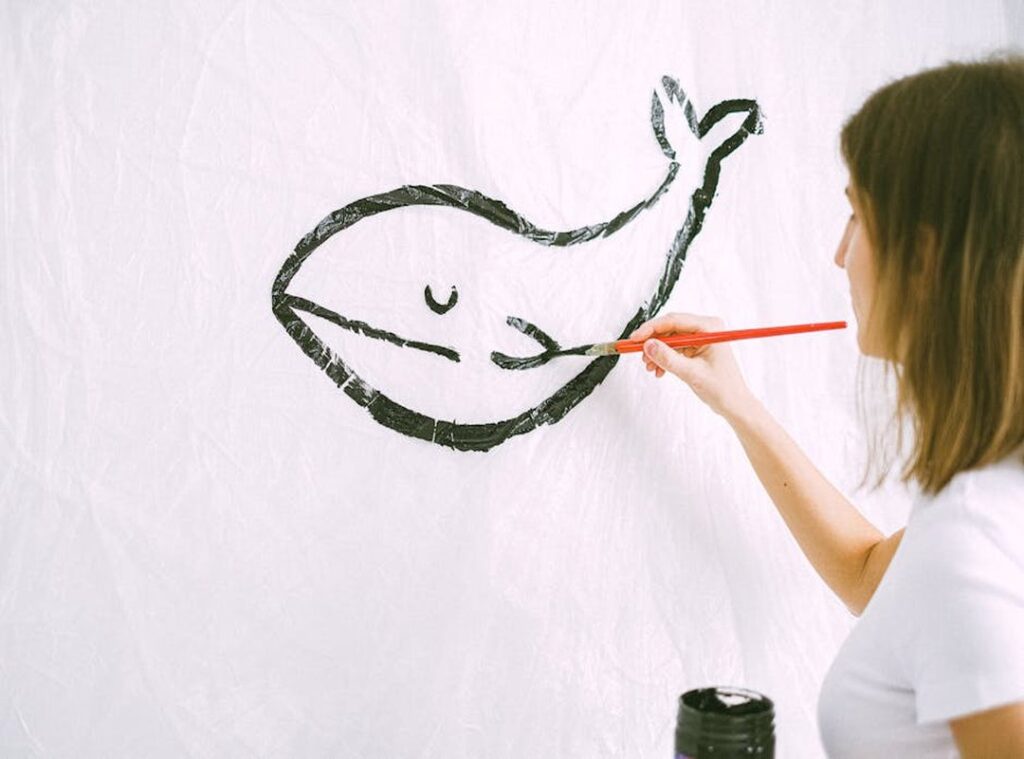
Illustrations can be a powerful tool for helping and inspiring others. Many people struggle to convey important messages or provide support in a way that is easily understandable and relatable. But with easy pagtulong sa kapwa drawing, you can make a real difference.
This article is based on extensive research and practical experience. I’ll share practical, actionable ways to use simple illustrations to help and inspire those around you. Trust me, it works.
So, are you ready to see how a few simple drawings can change lives? Let’s dive in.
Understanding the Power of Illustrations
Illustrations are more than just pretty pictures. They’re a powerful tool for communication. Visuals can bridge language barriers and simplify complex ideas.
Think about it: a well-drawn diagram can explain a concept better than a page full of text.
Emotions play a big part too. A good illustration can evoke feelings and create a deeper connection with the audience. It’s like when you see a cartoon that makes you laugh or a drawing that tugs at your heartstrings.
Those emotions stick with you.
Accessibility is another key point. Simple, clear illustrations are more accessible and inclusive. They help diverse audiences understand the message.
This is especially important in educational materials. Easy pagtulong sa kapwa drawing can make a huge difference in how people learn and engage with content.
So, next time you need to get a point across, consider using an illustration. It might just be the key to making your message clear and memorable.
Creating Simple and Effective Illustrations
Basic Tools and Techniques
You don’t need a lot to get started. Pen and paper, or basic digital tools, are all you really need. It’s about using what you have and making the most of it.
Simplicity is Key
Keep it simple. Use basic shapes and minimal details. This makes your illustrations easy to understand and more appealing.
Think about it—when was the last time you were drawn to a cluttered, overly detailed image?
easy pagtulong sa kapwa drawing
Consistency
Maintain a consistent style and color scheme. This helps in enhancing clarity and recognition. When people see your work, they should be able to recognize it instantly.
That’s how you build a strong, recognizable brand.
By focusing on these basics, you’ll create illustrations that not only look great but also communicate your message clearly. And that’s what really matters, right?
Using Illustrations to Teach and Inform
I love how a good illustration can make a complex idea click. Educational content is way more engaging when you use visuals. Think about it—whether you’re teaching basic math or diving into complex scientific theories, a well-drawn diagram can make all the difference.
Easy pagtulong sa kapwa drawing can turn a confusing concept into something clear and memorable.
Illustrations aren’t just for textbooks. They work wonders in step-by-step guides too. Need to explain a recipe?
A series of simple drawings can show each step clearly. Same goes for DIY projects and fitness routines.
Infographics are another great tool. They help present data and statistics in a visually appealing and easy-to-understand format. A well-designed infographic can convey a lot of information at a glance.
So, whether you’re in a classroom or sharing tips online, illustrations can make your message stick.
Illustrations for Emotional Support and Inspiration

Illustrations can be a powerful tool for lifting spirits and offering support. Motivational Messages: Using illustrations to create motivational and inspirational quotes and messages is a great way to inspire others.
Sometimes, a simple drawing can say more than a thousand words. Empathy and Understanding: How illustrations can help express empathy and understanding, especially in difficult situations.
Easy pagtulong sa kapwa drawing can make a big difference. It’s about showing that you care and that someone understands what you’re going through.
Personal Stories: Sharing personal stories and experiences through illustrations to connect with and support others. This can be incredibly impactful.
When you share your own journey, it helps others feel less alone. And when you use illustrations, it adds a layer of creativity and emotion that words alone can’t always capture.
If you’re looking for more ways to use illustrations for emotional support, check out Zydaisis. They offer unique insights and tools that can help you make the most of your creative expression.
Illustrations for Social Causes and Awareness
Raising awareness about social issues through illustrations can be incredibly powerful. Think about it: a single image can convey a message that sticks with people long after they’ve seen it.
Using illustrations to highlight issues like environmental conservation, mental health, and social justice can make a real impact. For example, a simple drawing of a tree in a polluted city can spark conversations about the environment.
When it comes to mental health, an illustration showing someone feeling overwhelmed but supported by friends can help break down stigmas.
Campaigns and movements often use visual elements to mobilize and engage communities. A well-designed poster or a series of images can create a strong emotional connection and drive people to take action.
Collaborative projects are another way to amplify your message. Working with other artists and organizations can bring more attention to your cause.
For instance, you could team up with a local non-profit to create a series of easy pagtulong sa kapwa drawings. These can be shared on social media, printed as posters, or even used in community events.
Remember, the key is to keep your message clear and relatable. Simple, impactful visuals often work best. And don’t forget to share your work widely—social media, local events, and community boards are all great places to start.
Practical Tips for Sharing Your Illustrations
Social media is like a bustling marketplace. You need to set up your stall in the right spot to get noticed. Share your illustrations regularly, and use hashtags that are relevant but not too broad.
Think of it as placing your artwork in a well-lit, high-traffic area.
Print and publications, on the other hand, are like planting a tree. It takes time to grow, but once it does, it reaches a wide and diverse audience. Submit your work to magazines, books, and other print media.
This can help you reach people who might not be scrolling through social media.
Workshops and events are like hosting a dinner party. You invite people into your space, share your knowledge, and create a community. Organize workshops to teach others how to create and use simple illustrations for positive change.
It’s a great way to connect with like-minded individuals.
Easy pagtulong sa kapwa drawing can be a powerful tool in these settings. It’s like giving someone a map to navigate their own creative journey. By sharing your skills, you’re not just showing off; you’re helping others find their way.
Remember, each platform and method has its own rhythm. Find what works best for you and stick with it. Consistency is key, whether you’re posting online or teaching in person.
Empowering Others Through Simple Illustrations
Simple illustrations have the unique ability to convey complex messages in an accessible way. easy pagtulong sa kapwa drawing can inspire and uplift others. They bridge communication gaps, making ideas more relatable and understandable. Emotionally resonant images can evoke feelings of hope, joy, or empathy.
Even a basic sketch can make a profound impact. Start using simple illustrations in your daily life to spread positivity and make a difference.
 Barbara Powellorins is the kind of writer who genuinely cannot publish something without checking it twice. Maybe three times. They came to daily health optimization tips through years of hands-on work rather than theory, which means the things they writes about — Daily Health Optimization Tips, Zydaisis Metabolic Conditioning Drills, Holistic Wellness Strategies, among other areas — are things they has actually tested, questioned, and revised opinions on more than once.
That shows in the work. Barbara's pieces tend to go a level deeper than most. Not in a way that becomes unreadable, but in a way that makes you realize you'd been missing something important. They has a habit of finding the detail that everybody else glosses over and making it the center of the story — which sounds simple, but takes a rare combination of curiosity and patience to pull off consistently. The writing never feels rushed. It feels like someone who sat with the subject long enough to actually understand it.
Outside of specific topics, what Barbara cares about most is whether the reader walks away with something useful. Not impressed. Not entertained. Useful. That's a harder bar to clear than it sounds, and they clears it more often than not — which is why readers tend to remember Barbara's articles long after they've forgotten the headline.
Barbara Powellorins is the kind of writer who genuinely cannot publish something without checking it twice. Maybe three times. They came to daily health optimization tips through years of hands-on work rather than theory, which means the things they writes about — Daily Health Optimization Tips, Zydaisis Metabolic Conditioning Drills, Holistic Wellness Strategies, among other areas — are things they has actually tested, questioned, and revised opinions on more than once.
That shows in the work. Barbara's pieces tend to go a level deeper than most. Not in a way that becomes unreadable, but in a way that makes you realize you'd been missing something important. They has a habit of finding the detail that everybody else glosses over and making it the center of the story — which sounds simple, but takes a rare combination of curiosity and patience to pull off consistently. The writing never feels rushed. It feels like someone who sat with the subject long enough to actually understand it.
Outside of specific topics, what Barbara cares about most is whether the reader walks away with something useful. Not impressed. Not entertained. Useful. That's a harder bar to clear than it sounds, and they clears it more often than not — which is why readers tend to remember Barbara's articles long after they've forgotten the headline.